
How to Write an X Thread: Structure, Hooks, Length (2026)

Check what your longer posts actually earn
The audit finds the hook style, length and structure behind your best-performing posts and scores the rest of your account out of 100 — so the next thread is built on your data, not a template.
A good Twitter thread opens with a hook that stops the scroll, delivers one clear idea per tweet, runs 5-10 tweets for most topics, and ends with a specific CTA. Write the hook last, cut every sentence that isn't pulling weight, and format for skimming.
Most threads die in the first tweet. You have a great insight, bury it under "A thread 🧵" and three lines of warm-up, and most readers are gone before the real content starts.
Learning how to write a Twitter thread isn't about being clever — it's about being brutally clear. This guide walks through structure, length, formatting, templates, and a repurposing workflow you can run in 20 minutes.
Why Do Twitter Threads Outperform Single Tweets?
Threads outperform single tweets because they do three things the X algorithm rewards: they keep people reading (dwell time), they generate more replies per post (conversation depth), and they get indexed in search. xAI's ranking code publishes weights, and its release notes are explicit that they multiply predicted probabilities — the model's estimate that a viewer will reply, or keep reading — rather than the replies and seconds you accumulate. These published weights do not establish a +75 reward per collected reply or the claimed dwell-time target, and arithmetic that turns them into a per-tweet goal is reading them as something they aren't. What holds either way is the shape of the format: a thread gives a reader more places to stop, and gives you more places to be replied to, than a single post does. Threads are simply better designed to earn those signals than a standalone tweet. You also get more surface area: instead of betting your whole idea on one 280-character shot, you hook someone with tweet 1 and earn their attention tweet by tweet. That's why creators rely on threads to build audiences — single tweets punch, threads compound.
What's the Right Structure for a Twitter Thread?
Every good thread has three parts: a hook, a body, and a payoff. The hook is the first tweet — its only job is to stop the scroll and promise something worth reading. The body delivers on that promise, one clear idea per tweet, no filler. The payoff is the last tweet: a takeaway, a summary, and a specific call to action (reply, follow, bookmark — pick one). A clean 7-tweet shape looks like: 1 hook, 5 body tweets with one idea each, 1 payoff. Skip the warm-up line "a thread 🧵" — it wastes the most valuable real estate on the platform. Don't save your best point for the middle; spread small wins throughout so readers keep going. And write the hook last, after you know what the thread actually says. You can't promise a payoff you haven't written yet.
AI that learns your voice
Posts that actually sound like you
Postory's AI writes drafts in your voice — not generic AI mush — so you publish faster and still sound human.
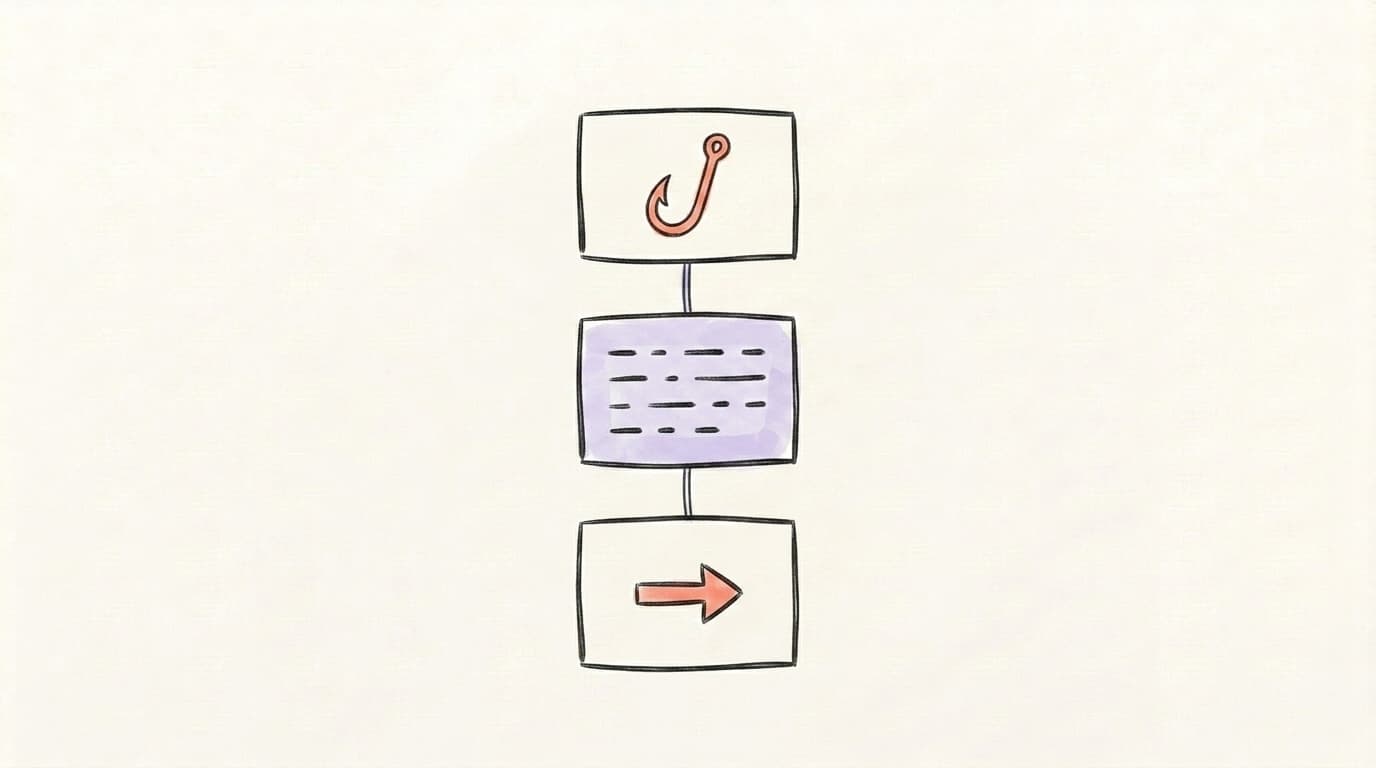
The hook: your only job is to get tweet 2 read
A good hook does one of three things: makes a bold claim, names a specific pain, or promises a concrete outcome with a number. Pick one. Avoid vague setups like "Here's what I learned this week" — nobody owes you their attention.
The body: one idea per tweet, no filler
Every tweet should earn its place. If you can delete it without breaking the thread, delete it. Don't cram two ideas into one tweet because you're worried about length — that's what the next tweet is for.
The payoff: specific CTA, not "thoughts?"
End with something a reader can actually do. "Reply with the hook you're working on and I'll critique it" beats "let me know what you think." Asking for replies is the lever you control — a question you actually answer is the difference between a post and a conversation.
How Many Tweets Should a Twitter Thread Be?
The sweet spot is 5-10 tweets for most topics, with 7 a common consensus pick. Under 5 and you probably haven't developed the idea. Over 10 and reader drop-off starts to bite. The usevisuals breakdown of thread best practices puts the practical upper limit around 15 tweets before attention starts to drop — beyond that, you're paying a readership tax on every extra tweet. Content type matters: a how-to with concrete steps can run 7-10 tweets, a hot take lands harder in 5, and a story-based thread can stretch to 12-15 if each tweet keeps tension. Length should serve the idea, not the other way around. If you find yourself padding to hit "thread length," cut. Quick gut-check: count how many tweets say something genuinely new versus restate the last one. The best test: if tweet 7 says the same thing as tweet 3, you don't have a 7-tweet thread — you have a 3-tweet thread with 4 bad tweets.
How Do You Format a Thread So People Keep Reading?
Format for skimming, not reading. Use line breaks inside tweets to create visual rhythm — three or four lines of 8-12 words each reads faster than one dense block. Drop numbering (1/, 2/, 3/) unless the thread is sequential; most aren't, and numbering adds noise. Use emojis as signposts, not decoration — one per tweet max, and only when it replaces a word. Add media to tweet 1 and at least one tweet in the middle; tweets with images consistently outperform text-only. Put hashtags (1-2 max) in the final tweet, never the hook. And re-read the whole thread on mobile before posting — that's where most readers will see it, and where cramped formatting shows up first. A good smell test: if you have to pinch-to-zoom on your own thread to parse tweet 3, the reader has already bounced. Treat every tweet as a slide, not a paragraph.
Twitter thread tips checklist
- Clear promise of value in the hook
- One idea per tweet — if two ideas fit, split them
- Line breaks inside tweets for rhythm
- Media on tweet 1 and one tweet mid-thread
- No numbering unless steps are sequential
- Hashtags in the last tweet only, 1-2 max
- Read it on mobile before posting
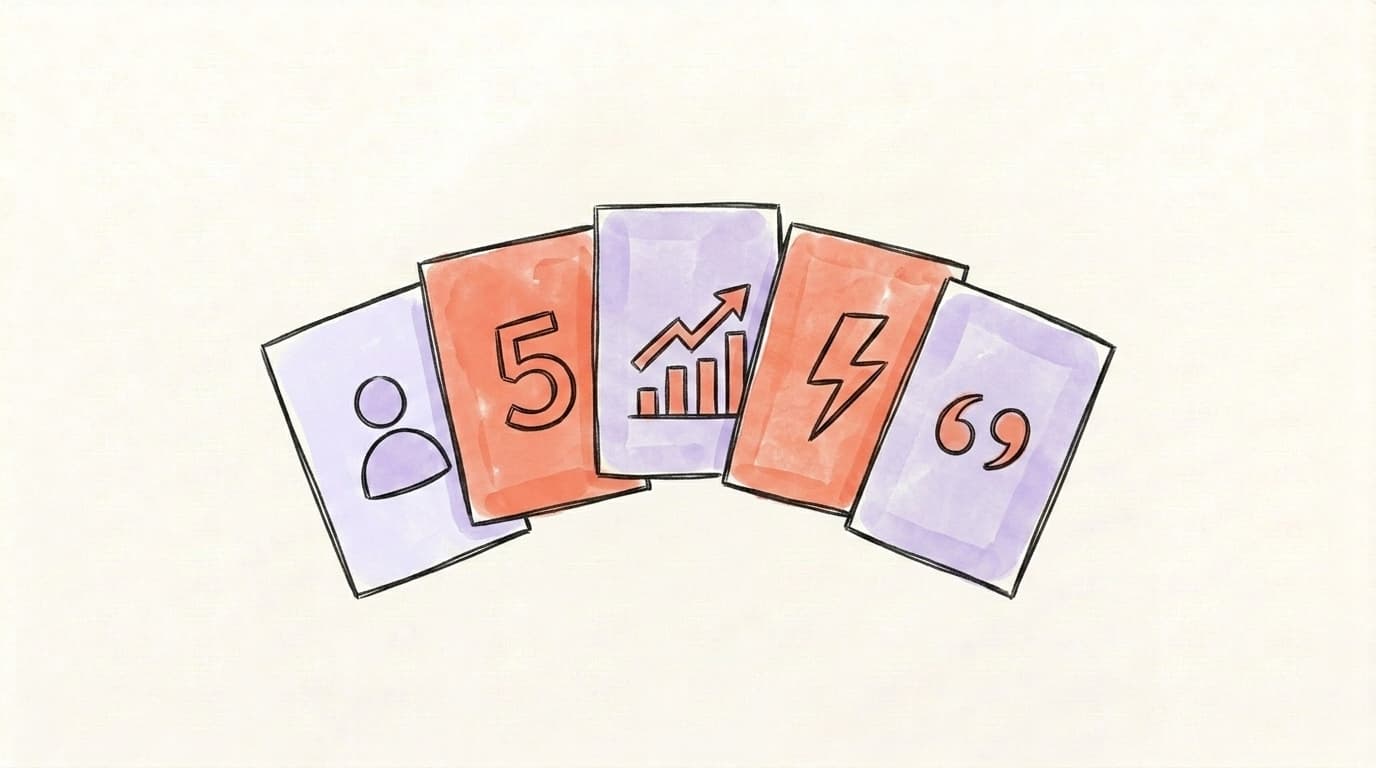
5 Twitter Thread Templates You Can Copy
These are five templates that map to content most people have sitting in their head right now.
- The "I tried X so you don't have to" thread. Hook: specific outcome + time invested. Body: what you expected, what happened, the unexpected lesson, what you'd do differently. Payoff: the one-line takeaway.
- The "5 [mistakes / lessons / frameworks] for X" thread. Hook: promise the list + stakes. Body: one tweet per item, each with a concrete example. Payoff: which one matters most and why.
- The "Here's how I did X" case study thread. Hook: result + constraint ("in 30 days," "with no budget"). Body: the step-by-step, with numbers where you have them. Payoff: the transferable insight.
- The contrarian take thread. Hook: conventional wisdom + why it's wrong. Body: the reframe, then three pieces of evidence. Payoff: what to do instead.
- The story thread. Hook: "This changed how I think about X." Body: setup, tension, turn, resolution. Payoff: the broader lesson.
Pick the template that matches the idea you're trying to share. Don't try to force a story thread onto a listicle idea or vice versa — the shape of the thread should match the shape of the point.
How Do You Turn a Blog Post Into a Twitter Thread?
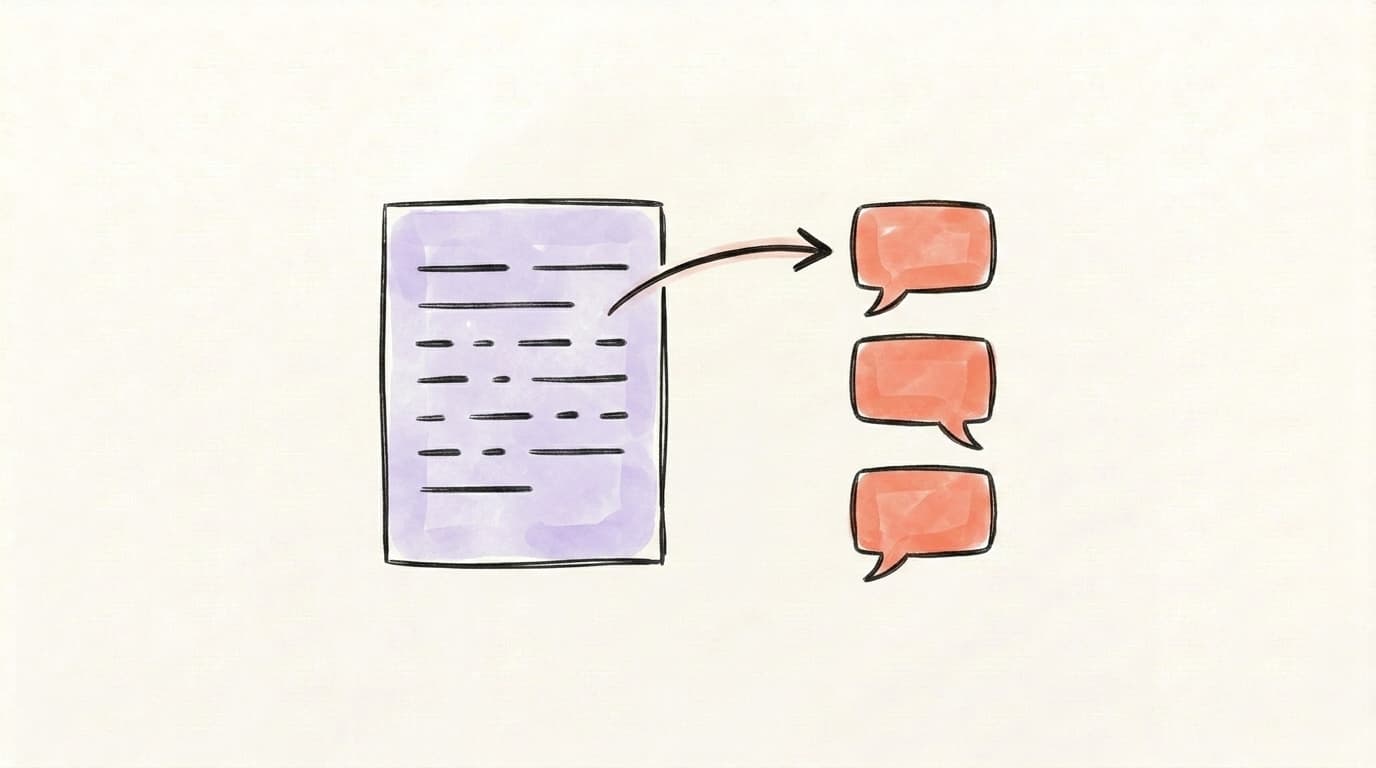
Turn a blog post into a Twitter thread in 20 minutes by extracting the spine. Open the post. Find the single most counterintuitive or specific claim and use it as the hook for tweet 1 — not the intro, not the H1. Then pull the 5-8 subheads or key bullets and rewrite each one as a standalone tweet of 1-3 sentences. Kill every transition phrase ("as we'll see," "first, let's look at"); threads don't need them. Keep any specific number, stat, or example — that's the stuff people screenshot. Drop generic explanations that only make sense with the surrounding context. Write a new final tweet that links back to the full post with a payoff line ("full breakdown with examples here →"). The whole thread is a trailer for the article — it should stand alone and earn the click at the same time.
Here's a great walkthrough of the copywriting patterns that make X content spread — worth watching if you want to develop an eye for what to cut:
What Tools Help You Write and Schedule Threads?
The thread-writing workflow splits into three jobs: drafting, scheduling, and repurposing. For drafting, you want a composer that shows the thread as a single vertical preview — not a native X reply chain — so you can catch rhythm and pacing issues before posting. For scheduling, look for native thread support (not a workaround that posts a single tweet and replies to itself). For repurposing, you want something that takes a URL or long-form draft and gives you a thread draft you can edit in 5 minutes, not 50. A Twitter thread generator that pulls from existing content is the fastest path from "I have an idea" to "it's scheduled." Postory handles the drafting and repurposing end — paste a URL or prompt and get a drafted thread you can edit, then schedule to X, Threads, or Bluesky. If you cross-post threads to Threads as well, it's worth knowing what gets a Threads account banned before you automate it. The tools are a force multiplier, but they don't replace taste. Draft in the tool, then edit like a ruthless editor before it ships.
Start writing better threads with Postory
Writing good threads takes practice. The first draft doesn't. Generate threads from any URL with the Postory thread generator — paste a blog post, an article, or your own notes, and get a drafted thread with a hook, body, and CTA in seconds. Edit it, schedule it, done.
If you want more on what actually works on X, read how to grow on Twitter for the full playbook, viral tweets breakdown for hook patterns you can steal, and tweet ideas when you need a starting point. Working from an existing article? See how to turn an article into an X thread.
Try Postory free — draft, schedule, and repurpose threads across X, Threads, and Bluesky from one place.
FAQ
Q: How long should a Twitter thread be?
Most threads work best at 5-10 tweets, with 7 being a common sweet spot. Under 5 tweets rarely develops an idea fully, and over 10-15 tweets you lose readers to drop-off. Match length to content: how-tos run longer, hot takes run shorter, stories can stretch if they keep tension.
Q: How do you start a thread on X?
On X, write your first tweet, then tap "Add another post" (the + icon below the compose box) to chain more tweets. Post all of them together as a single thread instead of one-at-a-time replies — this keeps formatting clean and stops half-threads from sitting in your timeline while you write the rest.
Q: Should I number my tweets in a thread?
Only if the content is genuinely sequential (step 1, step 2, step 3). For most threads, numbering adds visual noise without helping the reader. If you want to signal "this is a thread," use the hook itself — a strong first tweet is a better signal than "1/10."
Q: What makes a good Twitter thread hook?
A good hook does one of three things: makes a bold claim ("most threads die in tweet 1"), names a specific pain ("you're losing readers in the hook"), or promises a concrete outcome with a number ("grew to 10k followers in 6 months"). Avoid "a thread 🧵" and generic setups — they waste the most valuable tweet in the thread.
Q: How often should I post Twitter threads?
Two to three well-crafted threads per week beats daily mediocre ones. Threads take more time to write than single tweets but keep generating engagement for weeks after posting. Between threads, keep posting shorter single tweets daily to stay visible — threads are the compounding asset, single tweets are the distribution layer.
Q: Can I schedule a Twitter thread in advance?
Yes, but you need a tool with native thread support — X's built-in scheduler handles single tweets but has historically had gaps for threads. Third-party tools like Postory let you draft the entire thread, preview it vertically, and schedule it to post as a real thread (not a chain of separate tweets).
Q: How do I repurpose a blog post into a thread?
Extract the most counterintuitive claim as your hook (not the intro). Turn each subhead into a standalone tweet of 1-3 sentences. Keep every specific number, stat, or example — those are screenshot-worthy. Drop transitions and context-dependent explanations. Close with a link back to the full post using a payoff line. The whole thread should work as a standalone piece and earn the click at the same time.
Q: Do threads still work on X in 2026?
Yes — threads still outperform single tweets for dwell time, replies, and search indexing, all of which the algorithm rewards. The format hasn't changed; what wears out is reader patience — seven tweets of filler lose people long before the last one. Write fewer, better threads and they'll still work.
Related articles

The Best AI Twitter/X Thread Generators Compared (2026)
Nine AI Twitter thread generators, ranked by what each is genuinely best at — plus how to pick the right one for your stage and budget.
Jul 1, 2026
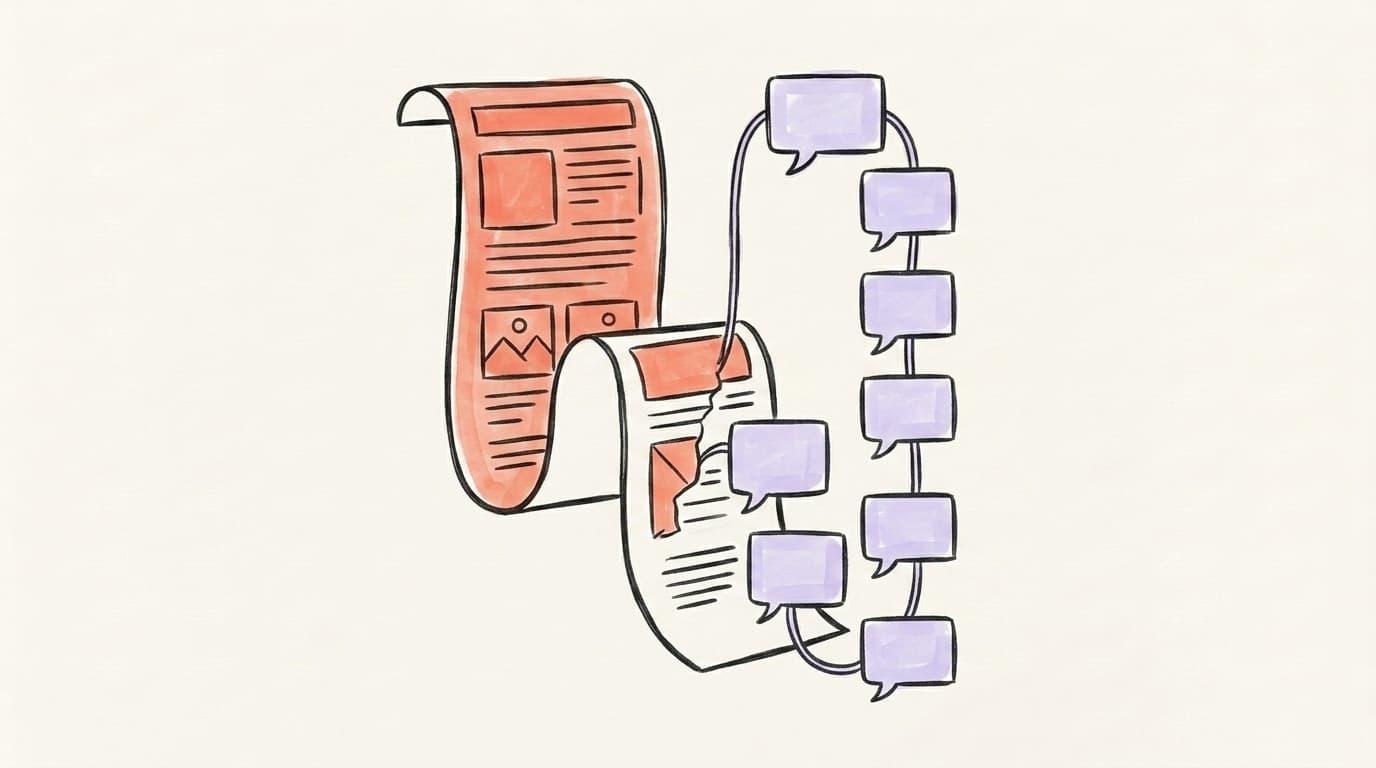
How to Turn an Article Into an X Thread (6-Step Workflow)
Turn a long-form article into an X thread without losing the argument — a 6-step workflow, hook rules, and the thread generator that drafts it.
May 30, 2026

50+ Tweet Ideas: What to Post on X When You're Stuck
Run out of things to tweet? Here are 50+ tweet ideas — hooks, formats, and prompts — that actually get replies and reach on X in 2026.
Apr 15, 2026