

How to Grow on Threads From Zero: 90-Day Plan

Threads still has the highest organic reach of any text platform in 2026. The fastest way to grow from zero is a 90-day plan: fix your profile and post 2–3x/day in month one, pour energy into thoughtful replies in month two, then cross-post and compound in month three. Replies — not posts — are the real multiplier.
Threads reached 500 million monthly active users in June 2026 (Meta) and is the fastest-growing text platform around — yet most people still don't know how to post on Threads in a way that actually grows an audience. The good news: the algorithm rewards conversation, not clout, so a brand-new account can break through. Here's a 90-day plan to go from zero.
Why Is Threads Growth Faster (and Different) Than X?
Threads growth is faster than X because the platform is younger, less saturated, and its algorithm leans heavily on conversation rather than follower count. The median Threads engagement rate sits around 3.8% to 4.5% — meaningfully higher than X — and the app surfaces content from accounts you don't follow far more aggressively, which means a post from a zero-follower account can still land in thousands of feeds (Sprout Social). The mechanics are different too. On X, reach is shaped by predicted engagement that's weighted unevenly — a predicted reply is weighted far above a predicted like — and X's open-sourced ranking code carries no hard-coded penalty for outbound links. On Threads, the dominant signal is reply velocity — how quickly and deeply a post sparks replies, especially in its first hour. That single difference is why the same person can plateau on X but take off on Threads: the platform rewards starting conversations, not broadcasting takes. If you've already built a system on X, see how to grow on Twitter and adapt it — but expect replies to matter even more here.
What Does the 90-Day Threads Growth Plan Look Like?
The 90-day Threads growth plan breaks into three 30-day phases, each with one job. Days 1–30 are about foundation: optimize your profile and build a daily posting habit so the algorithm learns what you're about. Days 31–60 shift to replies and networking — the phase where most of your follower growth actually happens, because replying on other accounts borrows their audience. Days 61–90 are about compounding: double down on the formats that worked, cross-post to X and LinkedIn, and turn momentum into a repeatable system. The reason for phasing is simple — trying to do everything at once from day one leads to burnout and scattered effort. Build the posting muscle first, layer replies on top once posting is automatic, then scale. Most creators who post consistently and reply daily report gaining followers steadily within weeks, not months, because Threads' reach window for new accounts is still wide open in 2026.
Content calendar
Plan a month of content in an afternoon
Map out your posts on a visual calendar, batch your ideas, and never stare at a blank page again.
The 90-day map at a glance
- Days 1–30 — Foundation: Profile + 2–3 posts/day. Goal: consistency and a clear niche.
- Days 31–60 — Replies & networking: Keep posting + 10–20 thoughtful replies/day. Goal: borrow audiences.
- Days 61–90 — Compound: Repeat winners + cross-post + measure. Goal: a system that runs itself.

How Do You Build a Threads Foundation in Days 1–30?
Here's a clear five-tip walkthrough of the Threads basics — algorithm signals, niche, posting, and engagement — from Metricool:
Your day-1 checklist:
- Profile photo + handle that match your other platforms for recognition.
- One-line bio stating who you help and the topic you own.
- Pin your best post so first-time visitors see your strongest work.
- Pick one niche and write 10 post ideas inside it.
- Schedule 2–3 posts/day for weekday mornings using a social media planner.
Why Are Replies the Real Multiplier in Days 31–60?
Replies are the real multiplier because on Threads, responding to other people is rewarded almost as much as posting your own content — and it puts you in front of audiences you don't yet have. Once posting feels automatic, spend 30–60 focused minutes a day finding 10–20 active posts in your niche and leaving genuinely useful replies: add a perspective, share a relevant experience, ask a sharp follow-up question. Skip lazy "Love this!" comments — they don't get clicked and they don't earn follows. A thoughtful reply on a larger account's post that itself sparks a conversation can out-reach your own posts, because the original poster's followers see it and the algorithm treats reply depth as a top-tier signal. This is also when you start building relationships: reply to the same handful of creators consistently and they'll start replying back, which compounds. Keep posting your 2–3 daily posts through this phase — replies amplify your account, but your own posts are still where new followers land when they decide to check you out.
The reply sprint, step by step:
- Open your niche feed and a search for 2–3 topics you cover.
- Find 10–20 posts that are recent and already getting replies.
- Leave a reply that adds something — data, a counterpoint, or a real story.
- Reply to every reply on your own posts within the first hour.
- Track which replies sent you new followers and do more of that.
How Do You Compound Growth and Cross-Post in Days 61–90?
In the final 30 days, you stop experimenting and start scaling what already worked. Pull up your best posts from the first two months, identify the formats and topics that consistently earned replies, and make more of them — variations on a winner almost always beat a brand-new idea. This is also the phase to cross-post. Roughly 96% of Threads users are also on Instagram, and reusing your best Threads posts on X and LinkedIn means one idea works three times (Planable). Don't blindly copy-paste, though — reshape each post for the platform. A punchy Threads post becomes a tighter tweet and a slightly expanded LinkedIn post. The point is reuse: you've already done the hard part by figuring out what resonates. If LinkedIn is part of your mix, how to grow on LinkedIn covers the format differences worth knowing. By day 90 you should have a repeatable weekly rhythm — batch posts, daily replies, cross-post the winners — that runs without you reinventing it every morning.
What Posting Frequency Actually Works on Threads in 2026?
The posting frequency that works on Threads in 2026 is 2–3 posts per day for steady growth, and 3 or more per day if you want to grow fast — with at least one post daily as the floor to stay visible (Buffer). Replies on other people's posts count toward your overall activity, so an active reply habit means you don't have to force out a dozen original posts to look alive. Frequency matters more on Threads than on slower platforms because content is fleeting — a post's reach window is short, so more posts mean more chances to catch the feed and more data on what your audience responds to. The mistake new accounts make is the opposite extreme: posting ten times a day in week one, burning out by week three, then going silent. Consistency beats intensity. A sustainable 2–3 posts a day for 90 straight days will out-grow a frantic, sporadic account every time. For a deeper look at formats and what's landing right now, see what works on Threads in 2026.
How Do You Measure Growth Without Native Analytics?
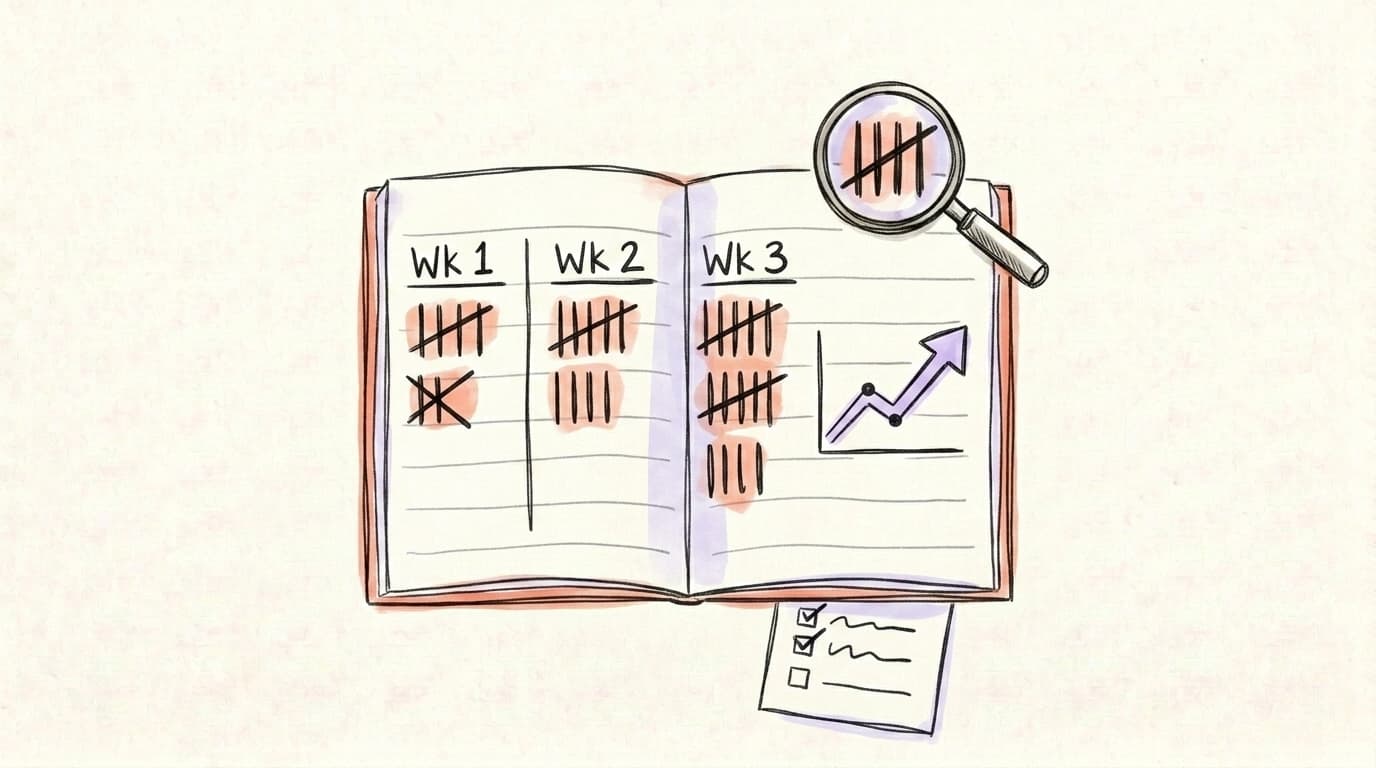
You measure Threads growth by tracking a few simple numbers manually, because the app's built-in insights are still thin compared to other platforms. The metrics that actually matter for a growing account are: follower count week over week, replies per post, and which posts drove follows. Once a week, jot down your follower total and your three best-performing posts in a simple sheet — that's enough to spot patterns. Don't obsess over likes; on a conversation-first platform, replies and reposts predict reach far better than passive likes do. Watch your reply velocity, too: posts that earn replies in the first hour tend to travel furthest, so note what kinds of openers (questions, hot takes, relatable observations) consistently spark them. If you're posting across X, Threads, and LinkedIn, a single planning tool that shows what's scheduled and what went out keeps you from guessing. The goal isn't a fancy dashboard — it's knowing, every Friday, what worked so next week's posts lean into it. One number your sheet can't capture: whether Threads is showing you to non-followers at all. If follower growth flatlines for a couple of weeks while your posting stays steady, spend 20 seconds on our free Threads shadowban test before you rewrite your strategy around a problem you don't have.
Start Growing on Threads with Postory
The hardest part of a 90-day plan isn't the strategy — it's showing up every day without it eating your whole morning. That's where a social media planner earns its keep: batch a week of Threads posts in one sitting, set up recurring slots for those weekday-morning windows, and block dedicated time for reply sprints so the highest-impact habit doesn't get skipped. Postory lets you plan and schedule across X, Threads, and Bluesky from one place, so the cross-posting phase in days 61–90 takes minutes instead of a second full workflow.
Try Postory free — set up reply-batch sessions and recurring Threads slots inside Postory's planner.
FAQ
Q: How do I post on Threads for the first time?
Open the Threads app, tap the compose button (the pencil or "+" icon), type your post, optionally attach a photo or video, and tap Post. You'll need an Instagram account to sign in, since Threads is part of the Meta ecosystem. Your first post sets the tone, so make it native and conversational rather than a copied tweet.
Q: How long does it take to grow on Threads?
Most consistent accounts see meaningful follower growth within a few weeks, not months, because Threads' organic reach for new accounts is still wide in 2026. A 90-day plan is realistic for building a real audience and a repeatable system. The accounts that grow fastest post 2–3 times a day and reply to 10–20 posts daily.
Q: How often should I post on Threads?
Aim for 2–3 posts per day for steady growth, or 3+ per day to grow faster, with at least one post daily as a minimum to stay visible. Replies on other people's posts also count toward your activity. Consistency over a long stretch beats short bursts of high-volume posting.
Q: Do replies really help you grow on Threads?
Yes — replies are arguably the single biggest growth lever on Threads. The algorithm treats reply depth and velocity as top signals, and thoughtful replies on larger accounts put you in front of audiences you don't have yet. Skip generic comments and add real value to get clicks and follows.
Q: Should I cross-post the same content to Threads, X, and LinkedIn?
You can reuse the same idea, but reshape it for each platform rather than copy-pasting. A punchy Threads post becomes a tighter tweet and a slightly longer LinkedIn post. Since the bulk of Threads users are also on Instagram and active elsewhere, repurposing your best posts is one of the highest-impact habits in the back half of the plan.
Q: Is Threads better than X for growing from zero?
For a brand-new account, Threads is often easier to grow on because it's less saturated and its algorithm surfaces content from non-followers more aggressively, with a higher median engagement rate. X still wins for real-time news and certain niches. Many creators run both and cross-post the winners.
Q: How do I check my Threads analytics?
Tap the insights option on your profile or an individual post to see basic views and interaction data. Native analytics are limited, so most serious creators also track follower growth and top posts manually each week. A planning tool that logs what you posted and when makes spotting patterns much easier.
Related articles
How I Got My First 100 Followers on X (From a Dead Account)
I started a brand new X account with zero followers and had my first 100 real followers a few days later. Here's the exact playbook.
Jul 19, 2026

The X Profile Banner Strategy: What to Put Above Your Tweets
Your X banner is prime real estate most accounts waste. 6 banner archetypes that turn profile visits into follows — plus the exact 2026 dimensions.
May 30, 2026
The X Quote Tweet Strategy That Outranks Replying
Quote tweets let you piggyback on bigger accounts' distribution while building your own. Here's the exact 5-format playbook that turns other people's reach into your followers in 2026.
May 29, 2026