Is Threads Owned by Meta? (And Why It Matters for Creators)

Threads is a Meta product, built by the Instagram team and launched July 5, 2023. Your Threads account is tied to your Instagram identity, your data is pooled into Meta's wider ad and ranking systems, and Meta is slowly wiring Threads into the fediverse. For creators, that means easier growth on day one — but Meta's roadmap (ads, monetization, fediverse) is what really decides whether Threads stays worth your time.
If you're asking "is Threads owned by Meta," yes — and that ownership shapes almost everything about how the app works, from sign-up to algorithm to your future earnings on it. The longer answer is more interesting, because Meta has been deliberate about how Threads connects to Instagram, how it shares data, and how it's quietly building toward the open social web.
This post breaks down who actually owns Threads, how the Instagram connection works, what Meta ownership means for your data and your growth, and where the platform is headed next.
Yes — Threads Is a Meta Product (Quick Answer)
Threads is fully owned and operated by Meta Platforms, Inc. — the same company that owns Instagram, Facebook, WhatsApp, and Messenger. Meta launched Threads on July 5, 2023, and it was built by the Instagram engineering team as a text-based companion to Instagram, marketed at launch as a "Twitter alternative" amid the chaos at X. Mark Zuckerberg is Meta's CEO, and Threads is led day-to-day by Instagram head Adam Mosseri — not by an independent Threads team. According to Wikipedia's Threads entry, the app became the fastest-growing consumer software application in history, crossing 100 million sign-ups in its first five days — largely because anyone with an Instagram account could join with a single tap, without creating a new profile from scratch. That single integration decision — making Instagram the on-ramp — is the most important fact about Threads, because it shapes everything that follows: the ad system, the algorithm, the data policy, and the growth path.
Today, Threads is no longer a curiosity. As of June 2026, Meta reports 500 million monthly active users, and back in early 2026 Threads already had roughly 143 million daily active mobile users — enough to pass X in mobile daily active users for the first time. So when you log into Threads, you're not using a startup app: you're using one of the biggest social platforms on the internet, owned by a company with the resources, the ad infrastructure, and the user data of Instagram and Facebook backing it.
How Are Threads and Instagram Connected?
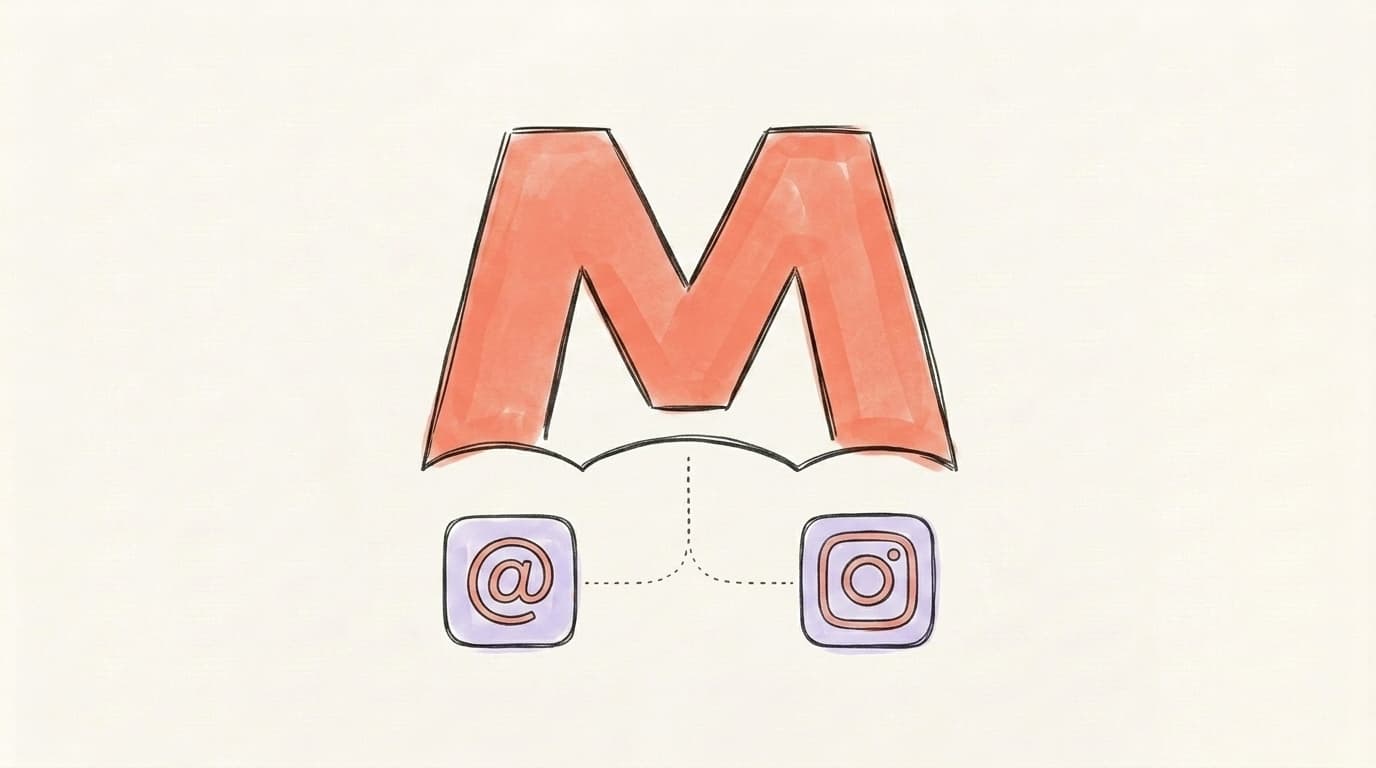
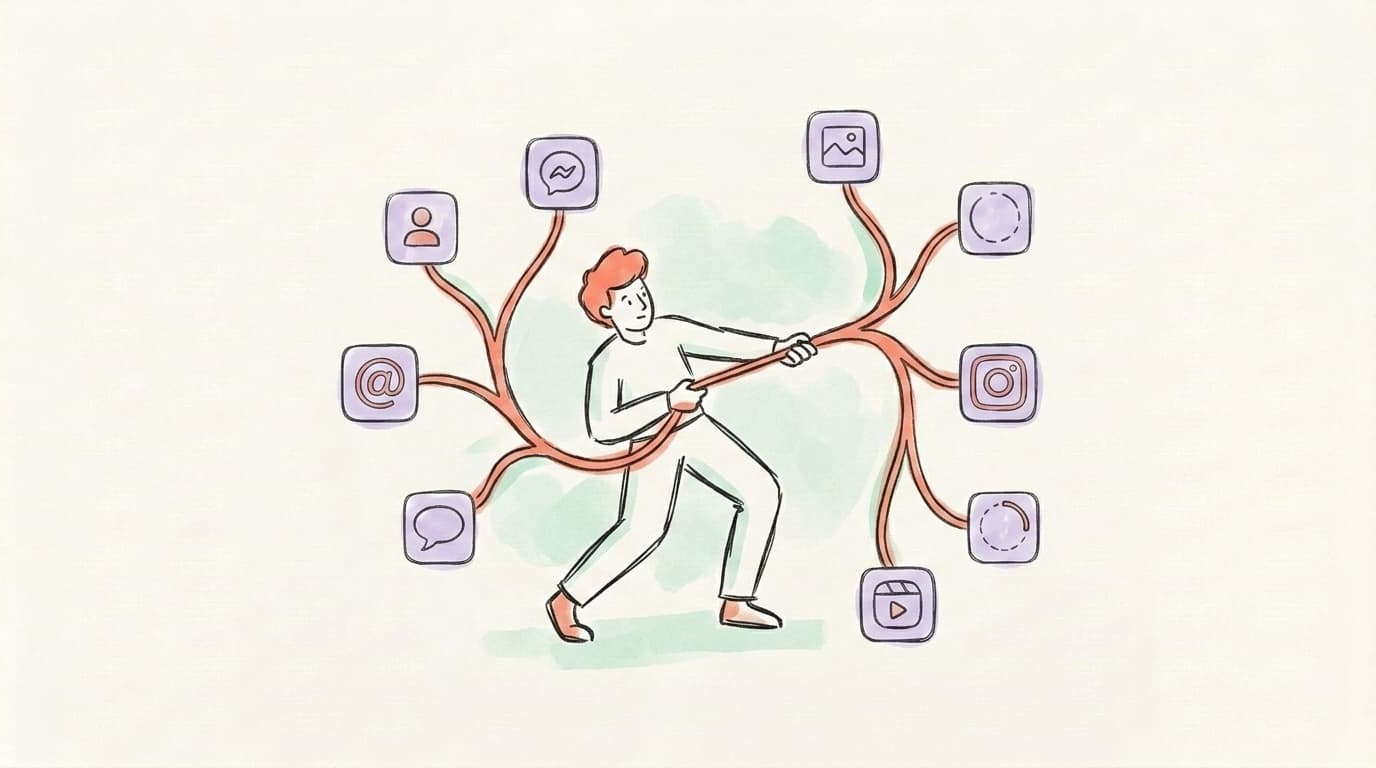
Threads and Instagram share the same account system, the same identity, and a significant amount of underlying user data — they're effectively two front-ends on a partially shared backend. When you sign up for Threads, you don't create a new account: you sign in with your Instagram credentials, and your username, profile picture, and bio carry over by default (you can customize them inside Threads if you want). Your Instagram followers are also offered to you on Threads via a "Follow all" suggestion, which is the main reason established Instagram creators went from zero to thousands of Threads followers overnight at launch — Meta gave their existing audience a one-tap migration path. That tight coupling is also why Threads can do things X and Bluesky structurally can't: surface accounts you already follow elsewhere, pre-populate your feed with topics Meta already knows you care about, and skip the cold-start problem that kills most new social apps in the first month.
AI that learns your voice
Posts that actually sound like you
Postory's AI writes drafts in your voice — not generic AI mush — so you publish faster and still sound human.
The connection runs deeper than identity. Meta uses information from your activity across its platforms — including Instagram — to shape what you see in your Threads feed. Threads' ranking algorithm pulls in cross-app signals like the kinds of accounts you follow on Instagram, the topics you engage with, and your inferred interests. That's why a brand-new Threads account often gets a surprisingly well-tuned "For You" feed on day one: Meta isn't starting from scratch on what you like.
One important change from launch: as of November 2023, you can delete your Threads account without deleting your Instagram. At launch, the two were so tightly linked that you could only "deactivate" Threads — to delete it you also had to delete Instagram. Meta loosened this after pressure from privacy advocates and regulators.
How Does Threads Compare to Meta's Other Apps?
Threads sits in a different lane than Facebook, Instagram, WhatsApp, and Messenger — even though it shares Meta's infrastructure with all of them. Facebook is Meta's legacy social network for long-form posts, groups, and broad social graphs. Instagram is photo- and video-first, built around feed posts, Reels, and Stories. WhatsApp and Messenger are messaging-first, with WhatsApp leaning toward private one-to-one and small-group chat and Messenger handling the same job inside Facebook's graph. Threads is the only Meta app built around short-form, public, text-based conversations capped at 500 characters per post — the format that X popularized and that none of Meta's existing products served well. That gap is exactly why Threads exists — none of Meta's other apps were a credible home for the rapid-fire, public, opinion-led text post that defines the X / Threads / Bluesky lane, so Meta built one rather than ceding the category.
That positioning matters because it explains why Meta built Threads in the first place. Meta saw an opening when X started churning users, and it had two assets X couldn't match: an enormous, already-authenticated user base on Instagram, and an ad system widely considered best-in-class. Threads is the bet that Meta can convert Instagram's social graph into a text platform without forcing users through a separate sign-up funnel — and the early adoption numbers suggest the bet has worked. Practically, sitting under the Instagram org also means Threads' content moderation, advertiser policies, and creator tools tend to mirror Instagram's rather than Facebook's or WhatsApp's.
What Does Meta Ownership Mean for Creators?
For creators, Meta owning Threads is a double-edged sword — and you should be honest about both sides before you decide how much energy to invest. On the upside, you get instant audience portability from Instagram, a massive monthly active user base to grow into, a polished app from day one, and Meta's eventual ad and monetization muscle behind the platform. If you already have a presence on Instagram, Threads is the lowest-friction net-new audience opportunity in social media right now — you can be live with an audience of thousands within an hour of setup. The downside is platform risk: Meta has a long history of de-prioritizing or quietly killing products that don't hit internal goals — IGTV (folded into Reels), Lasso, and Hobbi all got the axe — so betting your entire content strategy on one Meta platform is a gamble.
The practical takeaway: treat Threads as a complementary channel, not your only channel. Cross-post your best ideas to Threads, X, and LinkedIn so any one platform pulling back doesn't take your audience with it. We break down what's actually working on the platform now in what works on Threads in 2026, and if you're weighing the two text platforms head-to-head, see our Threads vs Twitter comparison.
What Are the Privacy and Data Implications?
Threads collects a meaningful amount of user data, and that data flows into Meta's wider ad and recommendation infrastructure. The app's privacy label on the App Store lists data categories including health and fitness data, financial info, contact info, contacts, browsing history, search history, identifiers, purchases, location, physical location, and sensitive info — one of the broader data-collection scopes among major social apps at launch. Some of those categories don't apply to every user (Threads doesn't ask for your bank account), but the list represents the maximum scope Meta can collect through the app, and Meta's actual collection generally scales with how much you do on the app. Heavy posters and heavy scrollers generate more behavioral data than someone who logs in once a week, and all of that data is shared across the Meta graph by default unless you opt out of off-Meta activity in your privacy settings.
In practical terms, the most important thing to understand is that your Threads activity isn't siloed from the rest of Meta. Posts you read, accounts you follow, replies you write, and time-on-app signals all feed into Meta's ad system — the same one that powers Instagram and Facebook ads. That's how the Threads feed gets so well-targeted so fast, but it's also why privacy-focused users tend to be wary: there's no separate "Threads-only" data path, and you can't use Threads without a Meta-graph identity.
If privacy matters to you: review the Threads Supplemental Privacy Policy, turn off "Activity Off Meta" and ad personalization in your Meta account settings, and consider posting under a separate Instagram identity if you want your Threads activity decoupled from your main Instagram graph. None of this stops Meta from collecting data, but it limits what gets used to personalize ads.
Why Is Meta Connecting Threads to the Fediverse?
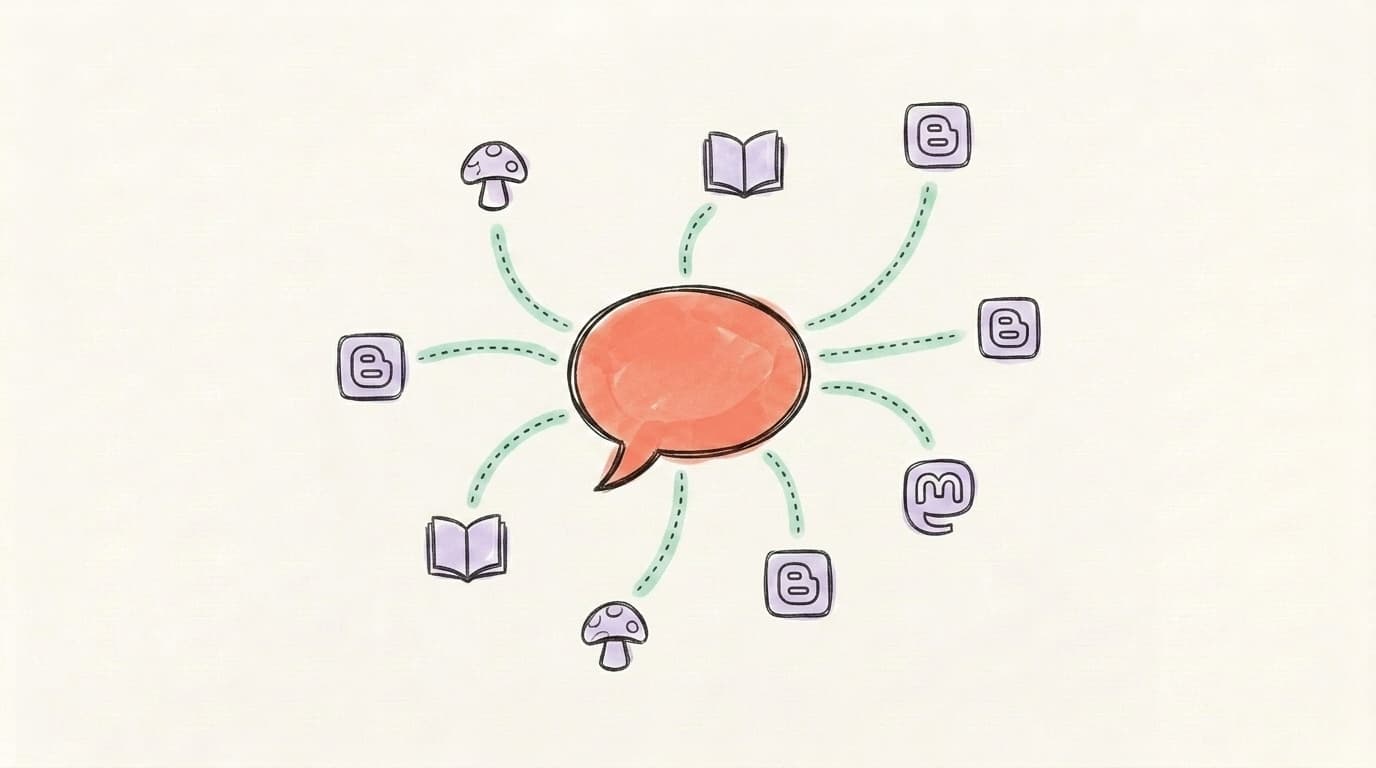
Meta is actively connecting Threads to the fediverse via the ActivityPub protocol — the same open standard that powers Mastodon, WordPress, BookWyrm, and other federated social platforms. Meta announced ActivityPub support at launch in July 2023, opened a beta in March 2024 that let public Threads accounts appear on the fediverse, and in June 2025 expanded the fediverse-sharing feature globally (excluding the EU) along with a dedicated fediverse feed and a fediverse user search. Threads is, by user count, the largest app running on ActivityPub by a wide margin — as of June 2026 Meta reports 500 million monthly active users. That single-app dominance fundamentally changes the dynamic of the open social web: instead of dozens of roughly comparable nodes like Mastodon servers and BookWyrm instances, the fediverse increasingly has one enormous node (Threads) and many much smaller ones, with most cross-network reach effectively flowing through Meta's app.
Why would Meta — a company famous for walled gardens — connect Threads to the open social web? Three reasons stand out. First, ActivityPub integration is a regulatory hedge: if the EU's Digital Markets Act forces interoperability on dominant platforms, Threads will already be compliant. Second, it's a competitive moat against X — by making Threads part of a bigger network, Meta makes "switching to X" feel like a downgrade. Third, it positions Threads as the on-ramp to the fediverse for normies: 500 million monthly active users dwarf the entire rest of the fediverse combined, so Meta is effectively the gatekeeper to a network it doesn't own.
For creators, the upside is reach: turn on fediverse sharing in your settings and your posts can be followed by Mastodon users without them creating a Threads account. The catch is that account portability (the ability to take your followers with you off Threads) is not yet supported — Meta has said it's on the roadmap, but there's no public timeline.
What's the Threads Monetization Roadmap?
Threads is moving from "no ads, no money" to "ad-supported platform with creator revenue share eventually" — but the timeline is slower and messier than most creators want. Here's the actual sequence of what's happened and what's coming. Meta ran ads on Threads as a limited test in the US and Japan starting January 2025, then expanded globally to eligible advertisers in May 2025 along with Marketing API support. By early 2026, Threads ads were running globally with objectives like Reach, Traffic, and Website Conversions, governed by the same brand safety controls as Instagram. That's the supply side built out, and it's the precondition for everything else: a platform can't share revenue with creators until it has revenue to share, and Threads only had a real ad business for the first time in mid-2025.
What's still missing is direct creator monetization. The invite-only Threads creator bonus program — where selected creators earned $500-$5,000/month for hitting view targets — quietly stopped paying out around April 2025 with no public explanation (per a July 2025 post from Matt Navarra confirming the program had ended). Meta has not announced a replacement creator revenue share program comparable to YouTube's Partner Program or X's Creator Ads Revenue Sharing. The most likely path is that Meta builds ad-revenue-share into Threads once the ad business matures (similar to how Instagram now shares revenue with creators on Reels), but there's no confirmed launch date.
In the meantime, creators monetize Threads indirectly: brand deals, affiliate links, driving traffic to email lists or owned products, and using Threads as a top-of-funnel for paid offers elsewhere. If your bet on Threads depends on direct Meta payouts, slow down — that's not yet a real revenue stream. If your bet is "Threads is a growing audience I can build now and monetize through my own channels," the math works.
Cross-Post Smart with Postory
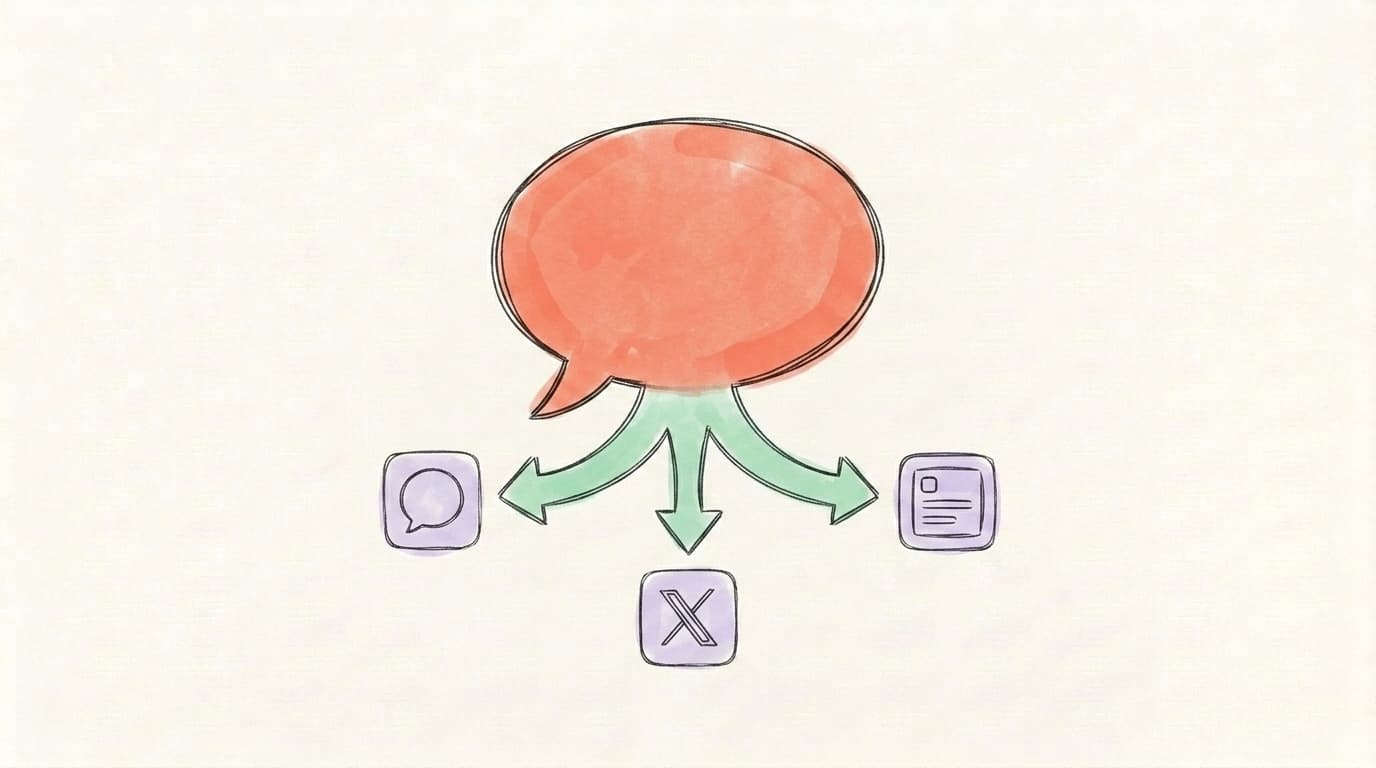
Knowing Threads is a Meta product is useful — but what matters for your weekly content rhythm is making it as easy to publish to Threads as it is to X or Bluesky. Postory's multi-platform publishing does exactly that: write one idea, hit publish, and we handle the per-platform formatting differences (character limits, link previews, hashtag conventions) so you don't have to maintain three versions of the same post in three different tabs.
Try Postory free — publish one idea to X, Threads, and Bluesky from a single editor.
FAQ
Q: Who owns the Threads app?
Threads is owned by Meta Platforms, Inc., the same company that owns Instagram, Facebook, WhatsApp, and Messenger. Mark Zuckerberg is Meta's CEO, and Threads is led day-to-day by Instagram head Adam Mosseri.
Q: When did Meta launch Threads?
Meta launched Threads on July 5, 2023. It crossed 100 million sign-ups in its first five days, making it the fastest-growing consumer software application in history at the time.
Q: Is Threads the same as Instagram?
No — Threads is a separate app, but it's built by the Instagram team and tightly integrated with Instagram. You sign up for Threads with your Instagram account, your username and profile carry over, and Threads uses Instagram activity to personalize your feed.
Q: Can I delete Threads without deleting my Instagram account?
Yes. As of November 2023, you can delete your Threads profile while keeping your Instagram account active. Open Threads, go to Settings → Account → Delete profile. At launch, the two accounts were inseparable, but Meta changed that policy in response to privacy concerns.
Q: Does Threads share data with Instagram and Facebook?
Yes. Meta uses cross-app signals — including your Instagram activity, follows, and inferred interests — to personalize your Threads feed and ads. Threads' privacy label on the App Store also lists a wide range of data categories Meta can collect through the app, all of which feeds Meta's broader ad and recommendation systems.
Q: Why did Meta build Threads when Instagram already exists?
Instagram is photo- and video-first; it wasn't built for short-form, public text conversations the way X is. Meta saw a market opening when X started losing users in 2022-2023 and built Threads to capture that text-conversation audience using Instagram's existing social graph as a launchpad. None of Meta's other apps served that format well.
Q: Can I make money on Threads in 2026?
Indirectly, yes — through brand deals, affiliate links, and driving traffic to your own products or email list. Direct payouts from Meta are not available right now: Meta ended its invite-only creator bonus program in April 2025 and has not announced a replacement revenue-share program. Threads is best treated as a top-of-funnel audience-building platform until Meta confirms a creator payout model.
Q: Is Threads safe to use?
Threads is operated by Meta, follows Meta's data and security practices, and is comparable to Instagram in terms of platform safety. The main concern users raise is the breadth of data collection — Threads collects more data categories than some competing social apps. If you're privacy-conscious, review the Threads Supplemental Privacy Policy and adjust your Meta ad personalization settings before posting heavily.
Related articles
Threads Posting Frequency: How Often Is Too Often?
The honest, data-backed answer to how often you should post on Threads — by stage, by niche, and built so you don't burn out.
May 22, 2026
Bluesky vs Mastodon vs Threads vs X: The Honest 2026 Comparison
Bluesky vs Mastodon vs Threads vs X in 2026 — audience size, engagement and moderation compared, plus which two are actually worth your time.
May 22, 2026
Threads vs X (Twitter) 2026: Which Is Better for Creators?
Threads vs Twitter/X in 2026 — audience, algorithm, monetization, ads, account safety, tools, and the cross-posting workflow creators actually use.
Aug 15, 2026