
Content Repurposing Strategy: The 1-to-10 Framework That Actually Works

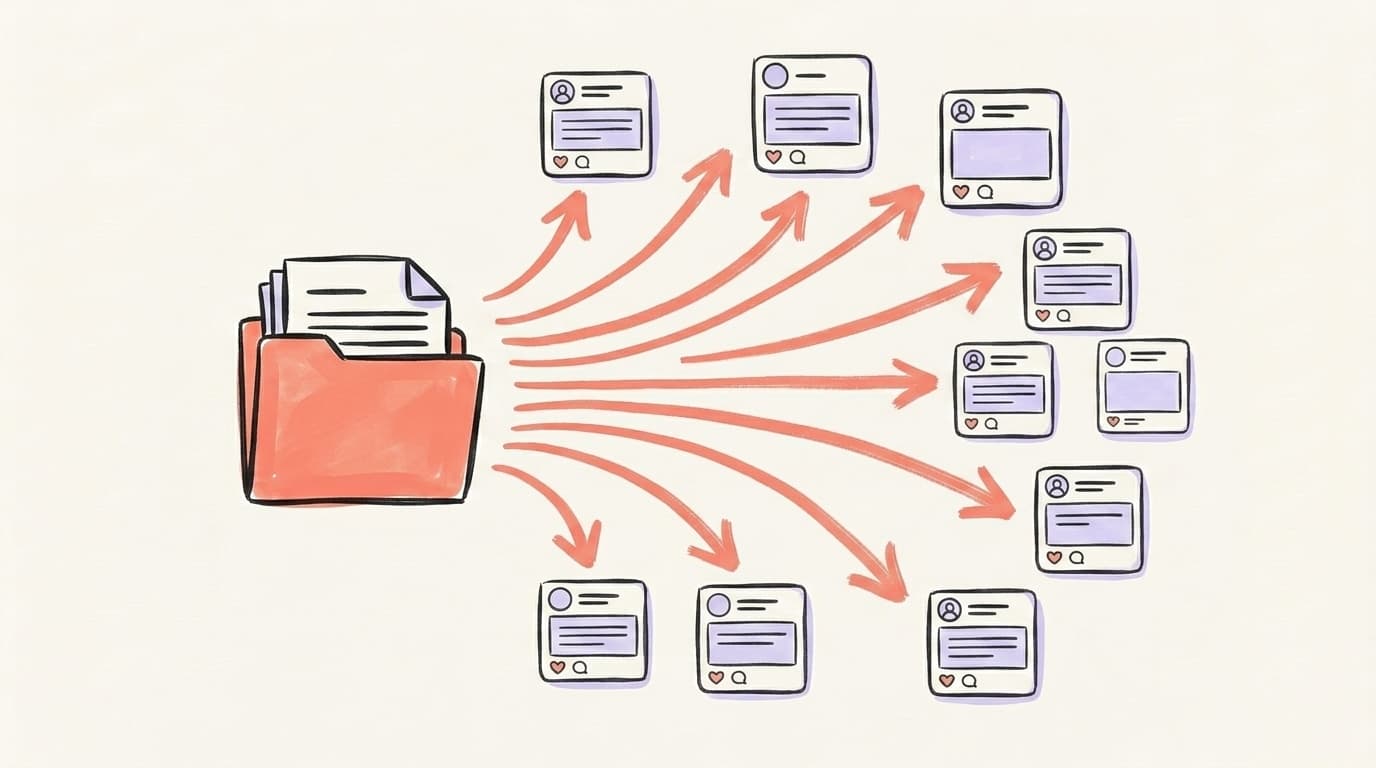
Most content repurposing fails because it's just copy-paste. A real content repurposing strategy extracts atomic units from one strong source, rewrites each for the target platform's native form, and spaces them out across a two-week window. This post walks through the 1-to-10 Framework and shows how to apply it.
You don't have a content problem. You have a distribution problem. You wrote something good, posted it once, and it vanished in 48 hours. Given ~2% average LinkedIn reach and a sub-30-minute tweet half-life, 90%+ of your audience never sees any given post.
A real content repurposing strategy fixes that — not by spamming the same post everywhere, but by giving each platform a version of the idea that feels native to it. Here's the framework, and how to apply it without sounding repetitive.
What Is a Content Repurposing Strategy?
A content repurposing strategy is a repeatable system for turning a single high-density source — a video, blog post, podcast episode, talk, or long thread — into multiple derivative posts, each rewritten for the platform it's published on. It's the difference between "posting everywhere" and "creating once, distributing many times." The strategy has three parts: a source-selection rule (what's worth repurposing), an extraction method (how to break the source into reusable units), and a distribution rhythm (when and where each piece goes live). Without all three, you end up with either one strong post that dies on the vine, or the same post copy-pasted across channels until your audience tunes out. A working strategy treats the source as raw material, not a finished product — one idea fanned out into ten platform-native expressions spaced across a two-week window.
The reason it matters: organic reach on every major platform is gated. A LinkedIn post reaches around 2% of your followers on average. A tweet's half-life is under 30 minutes — meaning half of its total engagement is already spent in the time it takes to finish a coffee. A single YouTube video, no matter how good, shows up once in subscriber feeds and then competes with everything else. Repurposing is how one good idea gets seen by people who missed it the first time, in the format they actually consume on that platform.
Why Does Most Content Repurposing Fail?
Most content repurposing fails because people confuse it with reposting. They take the caption from a LinkedIn post, paste it into a tweet, also email it to their list, and wonder why engagement drops every time. The audience isn't just annoyed — it's trained. Once someone sees you email them the exact post they already read on Instagram, they stop opening your emails. You've taught them that your content is redundant, and trained attention is extremely hard to win back. The failure mode isn't effort — people doing this are working hard. It's that the workflow optimizes for distribution volume instead of platform fit, so every new channel dilutes the next rather than compounding it. The result is a feed that looks productive from the inside and repetitive from the outside.
AI that learns your voice
Posts that actually sound like you
Postory's AI writes drafts in your voice — not generic AI mush — so you publish faster and still sound human.
The second failure is posting everything in the same 24-hour window. If three platforms each push out the same idea on Tuesday morning, anyone who follows you on two of them sees duplication, not depth. The third failure is platform-blindness — writing once in LinkedIn's essay format and dropping that 1,200-character block onto X, where it reads like someone shouted into the wrong room.
The fix is to repurpose with more care: change the format, change the hook, space out the drops, and let the core idea keep its surface variation on each platform.
What Is the 1-to-10 Repurposing Framework?
The 1-to-10 Framework is a four-step content repurposing strategy for turning one source asset into roughly ten derivative posts across your main platforms. It's built around a simple rule: one pillar piece per week, extracted into at least ten atomic units, rewritten per platform, and distributed over two weeks so no two posts feel redundant. The framework works for solo creators, founders, and small teams because it doesn't require new ideation every day — just disciplined harvesting of ideas you already created. Below is each step, with the questions you should answer before moving on.
Step 1: Pick a High-Density Source
Not every piece of content is worth repurposing. A good source asset has three traits: it's densely packed with distinct ideas, it reflects your actual expertise, and it was strong enough to hold someone's attention in its native form. A 20-minute YouTube video where you argue one point for the whole runtime is a great source. A 400-word "my thoughts this week" blog post usually isn't — there's not enough raw material.
Pick one source per week. If you're a podcaster, it's your episode. If you run a newsletter, it's the weekly issue. If you record videos, it's your longest upload. The rule: never try to repurpose thin content. You'll end up padding.
Step 2: Extract the Atomic Units
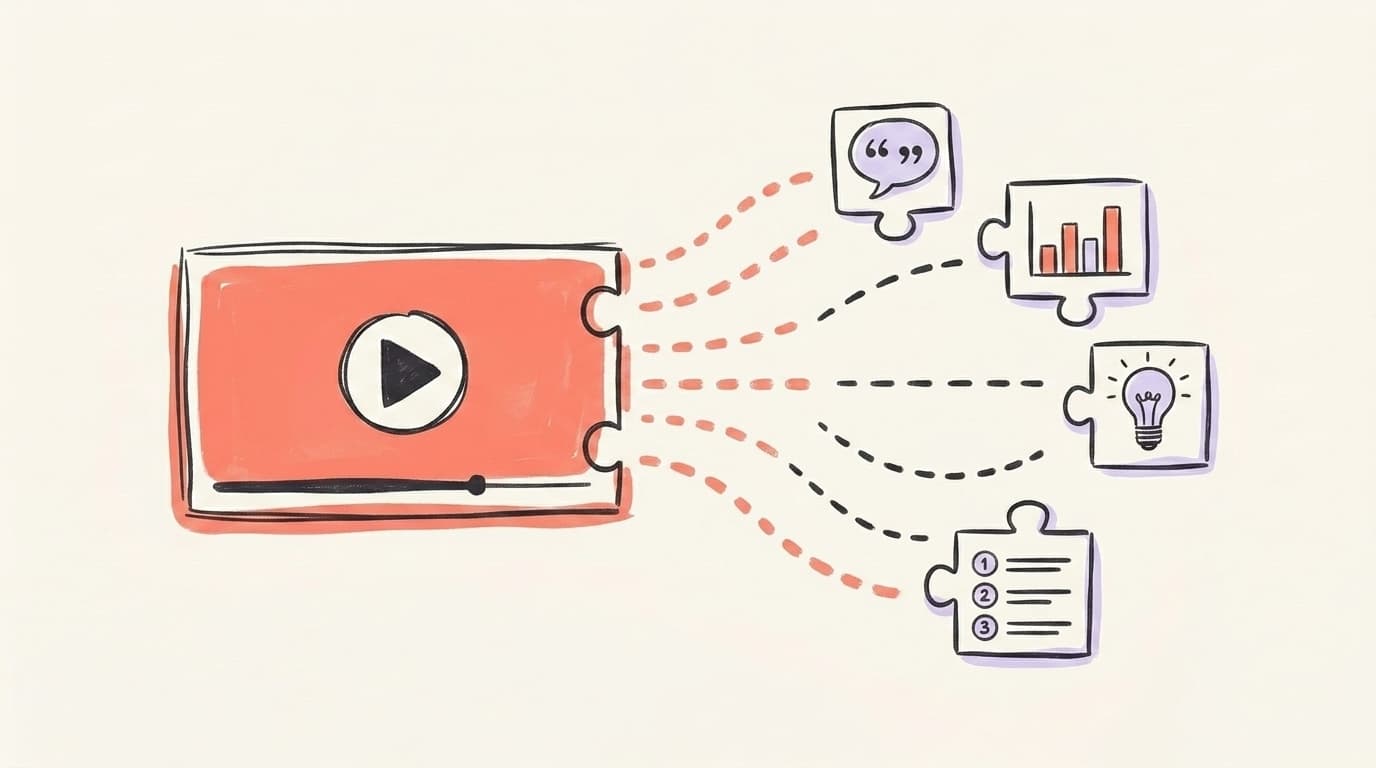
Open your source and pull out every standalone idea. Aim for at least ten. Good atomic units fall into a few categories: a sharp quote or one-liner, a specific statistic or data point, a contrarian take, a step-by-step process, a before/after example, a mistake you made, a framework or mental model, a metaphor, a case study, and a question you keep hearing. Write each one on its own line in a doc. Don't worry about format yet.
This is the step most people skip. They try to "convert the whole blog post into a LinkedIn post" in one move, which forces them into summarizing. Summarizing kills what made the original interesting. Atomic extraction preserves the sharpest edges.
Step 3: Rewrite for Each Platform's Native Form
Now assign atomic units to platforms. Don't cross-post the same words. The goal is: same underlying idea, different expression.
- LinkedIn: Long-form story or breakdown. Personal framing, line breaks every one to two sentences, lesson at the end. Uses 1-2 atomic units per post.
- X/Twitter: Hook plus punchline, or a thread built from 5-7 atomic units. Short, confident, specific.
- Threads: Conversational, observational, lighter on structure. Good for the contrarian takes and questions.
- Instagram (carousel): Visual version of a framework or list. Takes the step-by-step unit and makes it scannable.
- Email/newsletter: Expanded version of one unit, with context and a personal reflection the social posts skip.
You're not writing ten different truths. You're rewriting the same idea ten ways so each platform's audience gets a version that feels made for them.
Step 4: Schedule Across a 2-Week Distribution Window
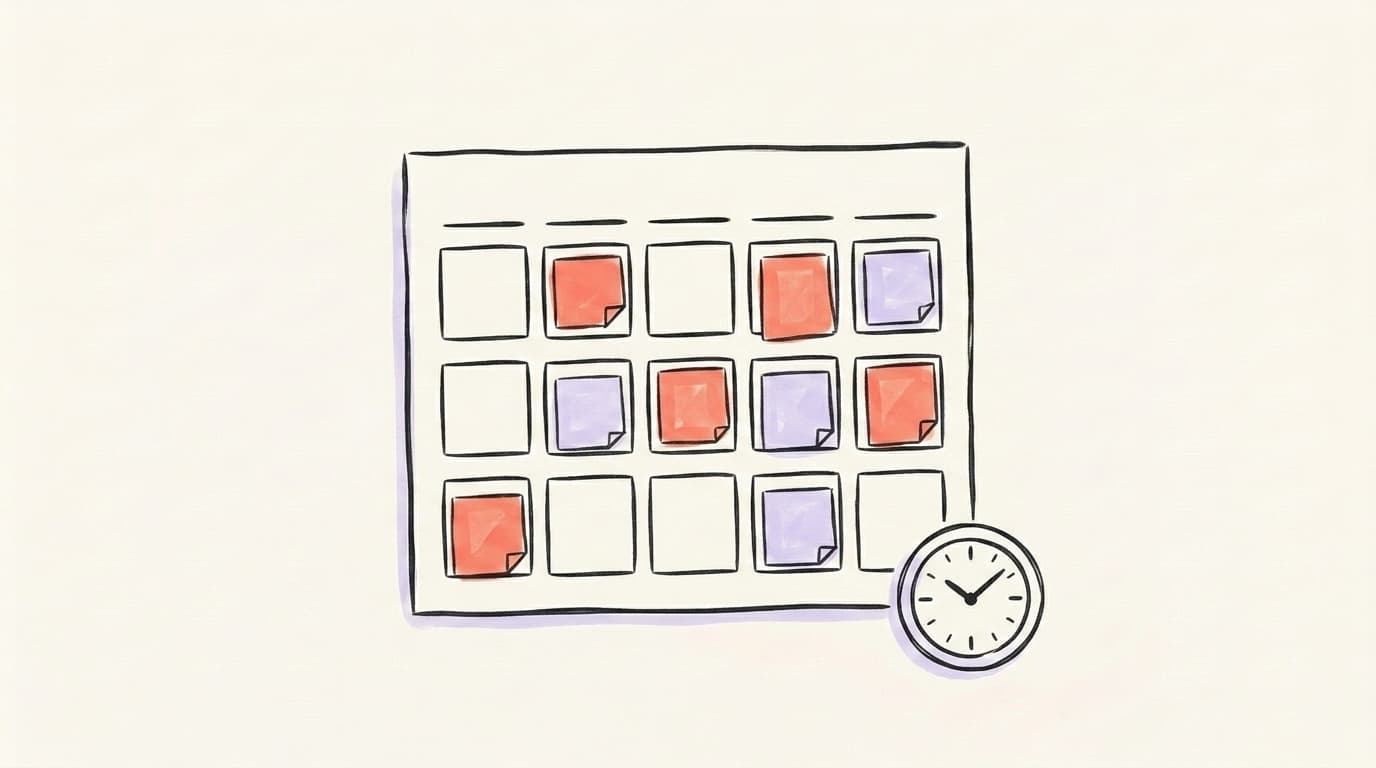
Don't publish all ten posts on Monday. Spread them across ten to fourteen days, with no more than one post per platform per day. Mix atomic-unit types so the same person following you on two platforms doesn't see "stat post" on both in the same week. A practical rhythm: LinkedIn Monday and Thursday, X three or four times a week, Threads two or three times, Instagram once, newsletter once. When the two weeks are up, the next pillar source takes over.
How Do You Repurpose a Single Video Into 10+ Posts?
Take a 20-minute founder talk as the source. Here's how the 1-to-10 Framework plays out in practice. First, you extract the atomic units: the three best quotes, two specific numbers mentioned, one contrarian opinion, the four-step process you described, a mistake you admitted to, and a question you answered from the audience. That's already ten units, pulled in about fifteen minutes. Now you assign them: the contrarian opinion becomes a LinkedIn post with personal context. The four-step process becomes an X thread. Two of the quotes become standalone tweets. The mistake becomes a Threads post. The process also becomes an Instagram carousel. One number becomes a LinkedIn data post with a visual. The audience question becomes a Threads post. The other quote becomes a newsletter intro.
Here's Maria Wendt walking through the same move on Instagram — one source, many posts, each elevated not copied:
The key detail she gets right: each version is elevated, not copied. Same words, different framing, different visuals, weeks apart.
Which Content Types Repurpose Best Across Platforms?
Not every source format repurposes equally well. Video is the highest-leverage source because you get transcript text, clips, quotes, stills, and visuals from one recording. A 20-minute video can reliably produce 10-15 derivative posts. Long-form blog posts come second — they give you text you can quote directly but no native video, so Instagram and TikTok repurposing requires more work. Podcasts are strong if you have audiograms and transcripts; weak if you only have audio. Twitter threads repurpose well into LinkedIn essays and newsletter sections, since a thread is already structured as discrete atomic units. What repurposes poorly: single-platform short posts. A tweet is already at the low end of information density — there's nothing to atomize. Start at the top of the content hierarchy (video or long article) and flow down. A good rule of thumb: if the source takes longer than ten minutes to consume, it can probably feed a full two-week repurposing cycle. If it takes under two minutes, it's a finished post, not source material.
How Often Should You Repeat the Repurposing Cycle?
Run the cycle weekly. One new source per week, ten atomic units, two-week distribution window. That means at any given moment you have two pillar sources in rotation — last week's tail end and this week's ramp-up. If that volume is too much, start with one source every two weeks and a slower distribution rhythm. The key is consistency, not intensity. Monitoring which atomic units actually get engagement tells you what to double down on next time. Posts with clear data points and contrarian takes tend to outperform straight how-to content, so when you see that pattern in your own analytics, shift the mix toward the atomic-unit types that work for your audience rather than following a generic template.
Start Repurposing With Postory
The hardest part of this framework isn't the strategy — it's the execution. Extracting ten atomic units from a video, rewriting each for LinkedIn, X, and Threads, and scheduling them across two weeks takes hours if you do it manually.
Postory's AI post writing takes a source (a video URL, an article, or your own long-form text) and generates platform-native drafts for LinkedIn, X, and Threads. You edit the drafts, then use multi-platform publishing and scheduling to drop them into the two-week window. One source in, a batch of platform-native drafts ready to review in minutes instead of hours.
Try Postory free — turn one piece of content into ten platform-ready posts.
If you want to go deeper on the adjacent pieces, read the content repurposing guide for the full pillar overview, how to repurpose video content for the video-specific workflow, and AI content repurposing for the tool side.
FAQ
Q: How long should a content repurposing strategy take to set up?
The framework itself takes about an hour to understand and maybe two hours to run the first time end-to-end — picking a source, extracting units, and drafting posts. After three or four cycles it drops to under an hour per week because you stop second-guessing the steps. The long setup is the mindset shift: treating one source as a content factory, not a single post.
Q: Is content repurposing the same as reposting?
No. Reposting is publishing the exact same post on multiple platforms or re-sharing an old post unchanged. Content repurposing keeps the idea and rewrites the expression — different hook, different format, different framing per platform. Reposting trains your audience to ignore duplicate content. Repurposing expands reach without the fatigue.
Q: How many posts can you realistically get from one blog post?
A 1,500-2,000 word blog post usually yields 8-12 derivative social posts if the original is idea-dense. Expect three to five LinkedIn posts, three to four tweets or one thread, one to two Threads posts, one carousel, and one newsletter intro. If you're getting fewer than six, the source probably wasn't strong enough to repurpose — go back to step one.
Q: Should you repurpose old content or only new?
Both. New content should be repurposed on a 1-2 week schedule immediately after publishing. Old content that performed well (top 10% by engagement) should be re-entered into the cycle every 6-12 months, usually refreshed with a new hook or updated stat. Evergreen ideas don't expire — your audience just forgets them.
Q: Does repurposing hurt SEO or get flagged as duplicate content?
Not for social posts, because social platforms aren't indexed for SEO the way web pages are. For blog-to-blog repurposing (republishing a post on Medium or LinkedIn articles), use canonical tags or substantially rewrite to avoid duplicate content issues. For the 1-to-10 Framework, you're writing platform-native variants, so there's no duplicate-content risk.
Q: What's the biggest mistake people make with a content repurposing strategy?
Posting everything at once. If Monday morning your LinkedIn, X, and Threads all push out the same idea in different wrappers, anyone who follows you on two platforms sees the repetition immediately. Spread the drops. The whole point of the framework is that someone who sees your Threads post on Day 2 and your LinkedIn post on Day 8 experiences them as two different pieces of content, not one idea echoed twice.
Q: How do you decide which atomic units go on which platform?
Match the unit to the platform's native form. Contrarian takes and personal stories work on LinkedIn. Short punchy one-liners work on X. Observational and conversational units work on Threads. Step-by-step processes work as carousels. Data points work as visuals. If a unit doesn't feel natural in any platform's native form, it's probably not strong enough — drop it rather than forcing it.
Q: Do you need special tools to run this framework?
You can run the 1-to-10 Framework with nothing more than a doc, a scheduler, and discipline. Tools help with speed — AI writers can draft platform-native variants in seconds, transcription tools pull text out of video, schedulers handle the two-week distribution. But the framework itself is platform-agnostic. Start manual, learn what works for your audience, then add tools to accelerate the steps that work.
Related articles
Social Media Audit Checklist: 20 Points in 30 Minutes
A 20-point checklist to audit your X, LinkedIn, and Threads profiles in half an hour and learn how to create content for social media that lands.
Jun 19, 2026

Social Media Content Pillars: How to Pick Yours in 30 Minutes
The fastest way to learn how to create content for social media — pick 3 content pillars in 30 minutes and turn them into 90 days of posts.
Jun 16, 2026

LinkedIn Newsletter Strategy: How to Launch and Grow One in 2026
The one LinkedIn format that skips the feed algorithm and lands straight in your audience's notifications and inbox — and how to build one this month.
May 30, 2026