LinkedIn Content Strategy: A Practical Framework That Actually Works in 2026

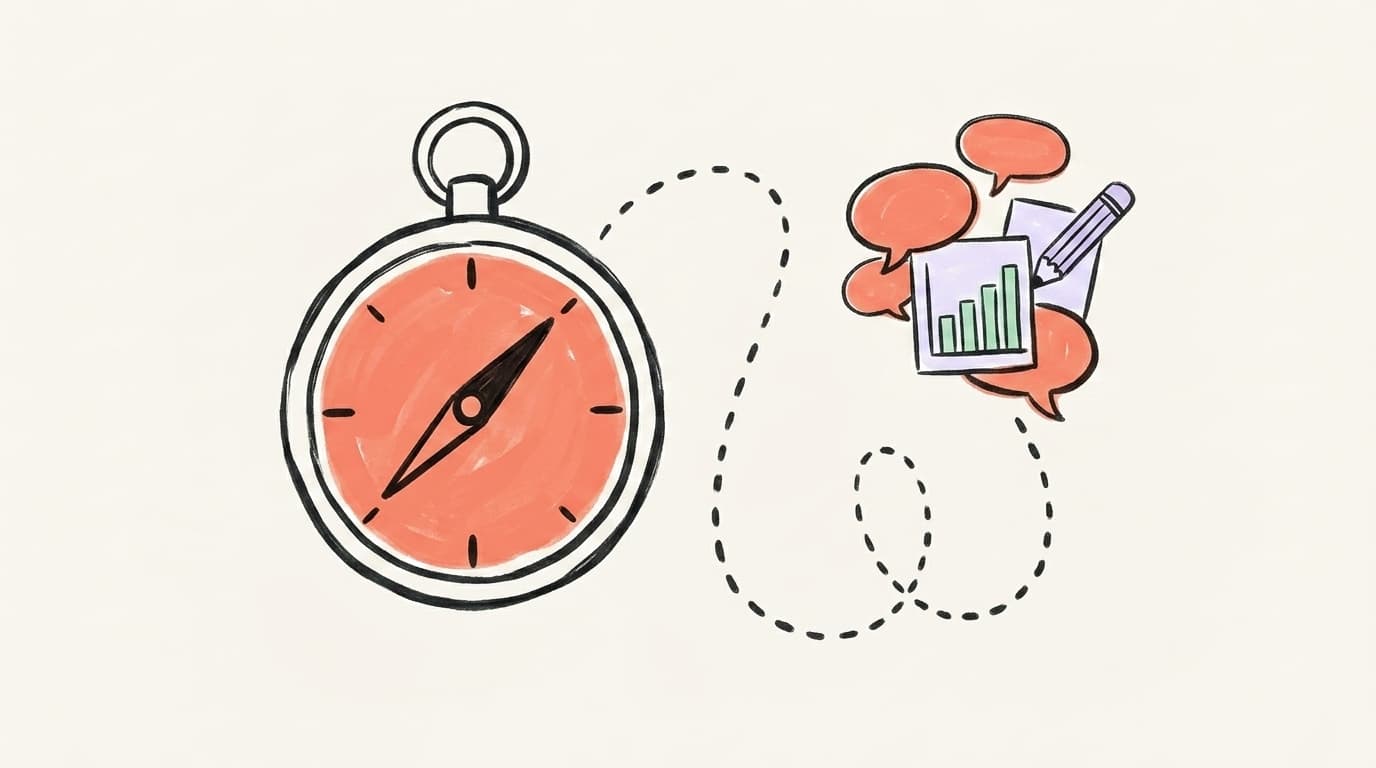
A working LinkedIn content strategy has four moving parts: clear positioning, a five-pillar content mix (story, how-to, hot take, data, engagement), a cadence of 3–5 posts a week, and a repeatable workflow you can run in under two hours. Everything else is decoration.
LinkedIn has 1.3 billion members and gets about 1.4 billion visits per month. But most founders and marketers still post the way they did in 2019 — a link, a hope, and an emoji — and wonder why nothing lands. The algorithm changed. The audience changed. The bar is higher. This guide lays out a LinkedIn content strategy you can actually run without a team, a ghostwriter, or a "thought leader" habit.
What Is a LinkedIn Content Strategy (and Why Do Most Fail)?
A LinkedIn content strategy is a repeatable plan for what you post, why, and how often — built around a specific audience and a specific outcome like leads, hires, or authority. Most fail for the same three reasons: no positioning, no content mix, no cadence. Founders post whenever inspiration strikes, cover five unrelated topics, and disappear for two weeks. The algorithm has no idea who to show the content to, and neither does the reader. A real strategy is narrow. It picks one audience (say, "B2B SaaS founders under $5M ARR"), one promise (say, "how I grew without ads"), and a handful of recurring formats. That narrowness is what compounds — your followers start to expect something from you, the algorithm learns your "topic DNA," and your posts get pushed to people who care, not random feed filler. If your strategy can't be summarized in one sentence, it isn't one yet.
How Does the LinkedIn Algorithm Actually Rank Content in 2026?
LinkedIn's 2026 algorithm ranks content on depth signals — dwell time, "see more" clicks, time spent in comments, saves, and private shares — not just likes. Posts get filtered for quality and tested on a small audience, and the first hour is decisive: roughly 5% of posts that underperform in that first hour ever recover, so early signal matters. The first 60 minutes still matter, but performance is ultimately judged over a longer testing window before LinkedIn decides whether to amplify or bury a post. Two behaviors carry outsized weight: substantive comments from people in your industry and saves or DM shares — both ranked higher than a like in Richard van der Blom's annual LinkedIn Algorithm Report. Two behaviors get you punished: external links in the post body (roughly 60% less reach) and engagement-bait phrases like "comment YES if you agree," which LinkedIn's spam filters now demote automatically. Write for depth, not dopamine. A 1,500-character post that makes someone pause for 40 seconds beats a one-liner that gets 200 quick likes.
AI that learns your voice
Posts that actually sound like you
Postory's AI writes drafts in your voice — not generic AI mush — so you publish faster and still sound human.
What Should Your LinkedIn Content Mix Look Like? (The 5-Pillar Framework)
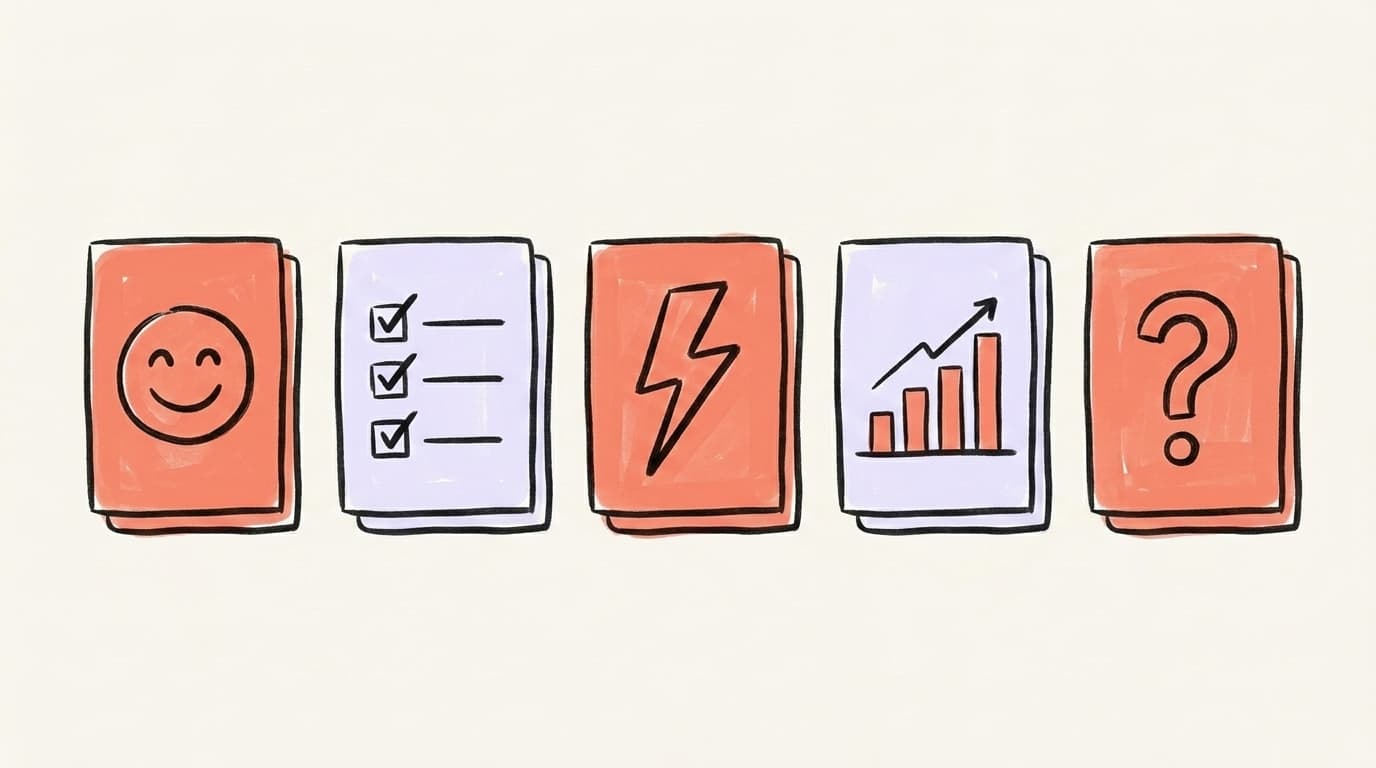
The best-performing LinkedIn accounts rotate between five content pillars — personal story, tactical how-to, hot take, data or case study, and engagement post — rather than hammering one format. Each pillar serves a different algorithmic goal: stories drive dwell time, how-tos drive saves, hot takes drive comments, data drives shares, and engagement posts drive broad reach. The mix matters because format variety is where the algorithmic wins hide. Socialinsider's analysis of 1.3 million posts across 16,645 business pages found document posts earn a 7.00% average engagement rate — the highest of any format and up 14% year-over-year — while text and image posts sit well below. Accounts that only post one format leave the highest-performing slots on the table. Below is how to use each pillar without sounding like a LinkedIn cliché, with notes on when to lean on which one.
Pillar 1: Personal story
Short narrative posts about something that happened to you — a mistake, a lesson, a turning point. Keep it specific ("I lost a $40K contract because I sent a Loom without a transcript") not generic ("failure is the best teacher"). These drive the highest dwell time because people read to the end to find out what happened.
Pillar 2: Tactical how-to
A concrete step-by-step on something you actually do. Native document posts (PDF carousels) are currently the highest-performing format on LinkedIn with a 7.00% average engagement rate — up 14% year-over-year. If you can turn a how-to into a 6–10 slide carousel, do it.
Pillar 3: Hot take
A contrarian opinion backed by your experience. Not "unpopular opinion: water is wet" rage-bait — an actual disagreement with the conventional wisdom in your niche. These drive the comment volume that the algorithm uses as a quality signal.
Pillar 4: Data and case studies
Original numbers from your own work, or a breakdown of someone else's public results. Data posts punch above their weight because they get saved and shared in DMs — both high-weight signals.
Pillar 5: Engagement post
Short question or poll aimed at your ICP. Use sparingly — once a week at most. These pull in new viewers but don't convert anyone, so treat them as reach primers, not pillars of your strategy.
How Often Should You Post on LinkedIn?
Post 3–5 times per week if you want a LinkedIn content strategy that actually compounds — more if you can sustain the quality. Buffer's analysis of over 2 million LinkedIn posts found that posting 2–5 times a week adds about 1,182 impressions per post and 0.23 points of engagement rate over posting once. Bumping to 6–10 posts a week adds roughly 5,001 impressions per post. And accounts posting 11+ times a week see the biggest lift — around 16,946 extra impressions per post and roughly 3x more total engagements. LinkedIn does not penalize frequency; it rewards it, because each post gives the algorithm more data about who your audience is. The catch: quality has to hold. Posting five mediocre posts a week will kill your topic DNA signal faster than posting one great one. Start at three posts a week, nail consistency for a month, then scale. Don't post on weekends until weekdays are fully dialed — engagement is roughly half on Saturdays and Sundays for most B2B accounts.
How Do You Build a Repeatable LinkedIn Content Workflow?
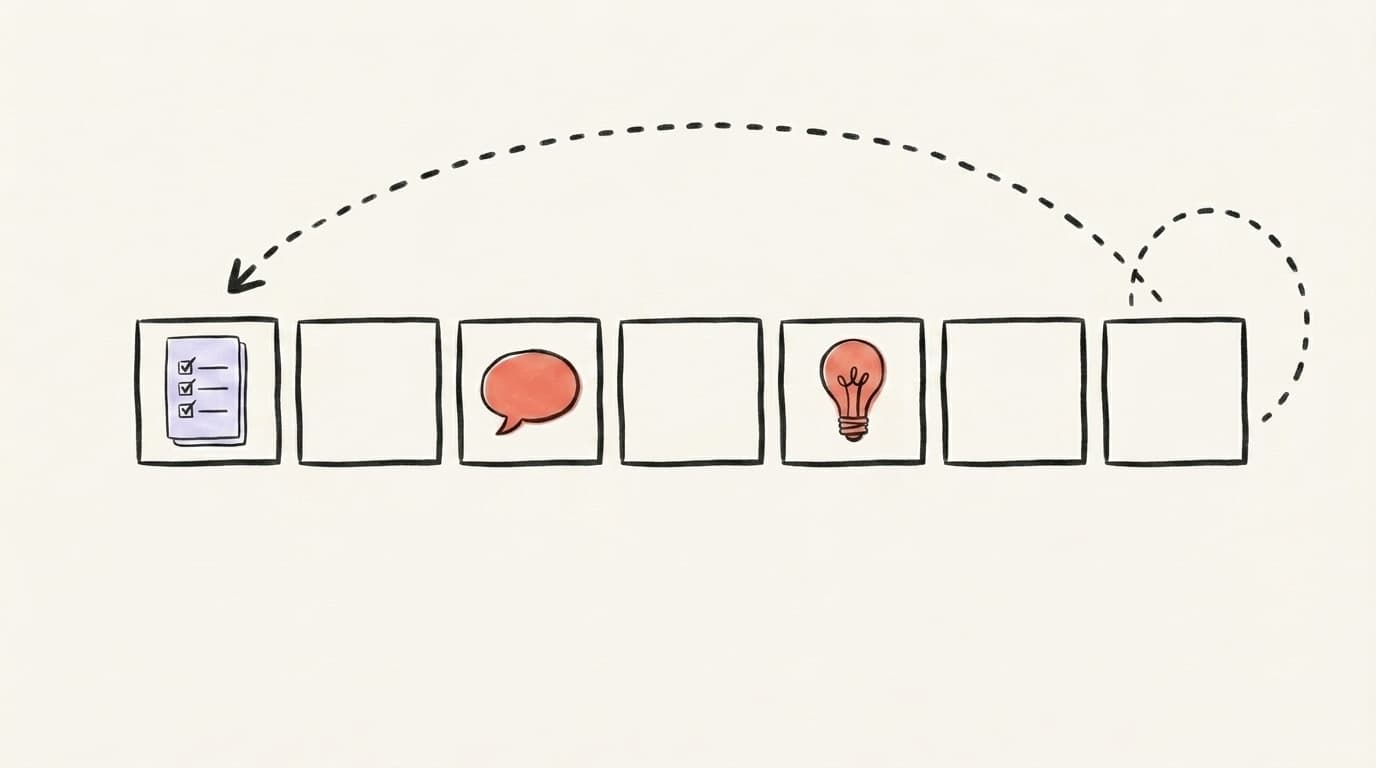
A repeatable LinkedIn workflow has four stages: capture ideas as they happen, batch-write once a week, schedule in advance, and engage in real time. The biggest reason founders burn out on LinkedIn isn't writing — it's staring at a blank page on a Monday morning with no idea what to say. You fix that by separating the "what to say" problem (ongoing, low-effort, in the background) from the "how to say it" problem (focused, weekly, 60–90 minutes). Keep a running notes doc or Notion page where you dump every idea, customer question, hot take, and interesting stat the moment it hits. Once a week, pick 4–5 from the list, draft them in one sitting, and schedule them. Engage every day for 15–20 minutes, but only on posts from your actual ICP. That's the whole system.
Here's a useful walkthrough of this exact problem — positioning, content market fit, and building a system that compounds — from Tommy Clark, who's used it to grow LinkedIn audiences for founder clients:
The specific tool you use to schedule matters less than the habit of batching. What does matter: pick a tool that lets you post natively (not through LinkedIn's API, which some tools down-rank), preview formatting, and save drafts by pillar.
What Metrics Actually Matter for LinkedIn Content?
The only LinkedIn metrics worth tracking are follower growth in your ICP, saves and DMs, qualified profile visits, and inbound conversations — not likes or impressions. Likes are cheap and lie. A post with 300 likes from adjacent audiences is worth less than a post with 40 likes from 40 potential buyers. Saves and DMs are the clearest signal that a post actually moved someone — LinkedIn weights them heavily as depth signals for the same reason. Profile visits from your ICP tell you the content is pulling the right crowd. And inbound messages — "hey, loved your post, can we chat?" — are the end of the funnel. Set up a simple spreadsheet or dashboard that logs each post's saves, DMs, and any resulting conversations. After 4–6 weeks you'll see which pillars and hooks convert and which are just getting applause from your peers. Kill the applause posts. Double down on the ones that produce conversations.
Build Your LinkedIn Content Strategy with Postory
You don't need a content team to run this strategy — you need a system that removes the friction. Postory lets you draft LinkedIn posts with AI that matches your voice, schedule them across LinkedIn, X, and Threads from one place, and repurpose one idea into platform-native versions so your weekly 90 minutes covers three platforms instead of one.
Try Postory free — write, schedule, and repurpose your LinkedIn content in one tool, without switching tabs.
If you want more on the specific execution pieces of this strategy, these go deeper:
- 50+ LinkedIn Post Ideas That Actually Get Engagement
- How to Write LinkedIn Posts That Get Engagement
- The Best Time to Post on LinkedIn
FAQ
Q: How long should a LinkedIn post be?
Posts in the 1,300–2,000 character range tend to earn more dwell time — long enough to tell a story but short enough to finish. Document posts (carousels) should run 6–10 slides. Short text posts under 300 characters work occasionally as engagement primers, but they don't carry a strategy.
Q: How many hashtags should I use on LinkedIn?
Three to five relevant hashtags is a reasonable range based on what most consistent LinkedIn creators use. More than that tends to look spammy and dilutes the topical signal around your post. Put them at the end of the post, not woven into sentences.
Q: Should I post from my company page or personal profile?
Personal profile, almost always. Personal accounts get substantially more organic reach than company pages in LinkedIn's feed algorithm, and people follow people — not logos. Use the company page for job posts, product updates, and ads, and let the personal profile carry the content strategy.
Q: Is it OK to use AI to write LinkedIn posts?
Yes — if you edit. AI is great for turning a rough idea or customer conversation into a first draft fast. It's bad at voice, specificity, and hot takes. Use it to remove the blank-page problem, then rewrite at least 30–40% of every draft so it sounds like you and includes details no AI could know.
Q: How long until a LinkedIn content strategy starts working?
Plan for 8–12 weeks of consistent posting (3–5 times a week) before you see meaningful follower growth or inbound. The first month mostly builds the signal the algorithm uses to understand your topic. Months two and three are where compounding starts.
Q: Do links in LinkedIn posts really get less reach?
Yes. Posts with external links in the body see roughly 60% less reach than link-free posts. The workaround most creators use is putting the link in the first comment instead of the post body, which preserves most of the reach while still letting people click through.
Q: What's the biggest mistake people make with LinkedIn content strategy?
Trying to sound like a "LinkedIn person" instead of sounding like themselves. The accounts that compound are specific, opinionated, and slightly uncomfortable to write. If every post feels safe and universally agreeable, the algorithm can't tell what you're about — and neither can your audience.
Related articles
LinkedIn for Agencies: How Top Agencies Use LinkedIn to Win Clients
The agencies winning clients on LinkedIn run a repeatable content strategy that turns posts into DMs into booked calls. Here's the exact playbook.
Jun 16, 2026
LinkedIn Premium: Worth It for Creators and Founders in 2026?
A candid tier-by-tier review of LinkedIn Premium in 2026 — who actually needs Career, Business, Sales Navigator, or Recruiter Lite, and who should stay free.
Jun 12, 2026
LinkedIn Analytics: The 6 Metrics That Actually Matter
Your LinkedIn dashboard shows dozens of numbers. Here are the six that actually predict growth — plus a 10-minute weekly review.
Jun 8, 2026